

Summary: Loving your dog the right way means understanding how dogs show affection and setting healthy boundaries that build trust and good behavior.
Bark Busters’ Key Points:
- Dogs need structure and boundaries to feel secure
- Dogs express affection differently than humans
- Gentle, respectful touch builds trust
- Avoid picking up small dogs—it can cause stress
- Time affection carefully—reward calm, good behavior first
The bond between dogs and humans is truly special. Our pets bring us joy, become beloved family members, and offer unwavering, unconditional love. Naturally, we want to show our dogs affection and appreciation! But how do dogs show affection, and are we expressing love in ways they truly understand?
Surprisingly, loving your dog too much is possible—or in ways that reinforce unwanted behaviors. Understanding how dogs show affection and respond in a way they appreciate is key to strengthening your relationship.
This guide explains how to express love in ways your dog truly understands while reinforcing positive behavior and trust.
Dogs Need Boundaries
While a hands-off approach to dog parenting may seem kind, dogs thrive with structure and leadership. Without leadership and guidance to feel secure, dogs can become overly protective, demanding or even aggressive.
Setting healthy boundaries doesn’t mean withholding love—it means providing a secure environment built on trust and respect.
Understanding How Dogs Show Affection
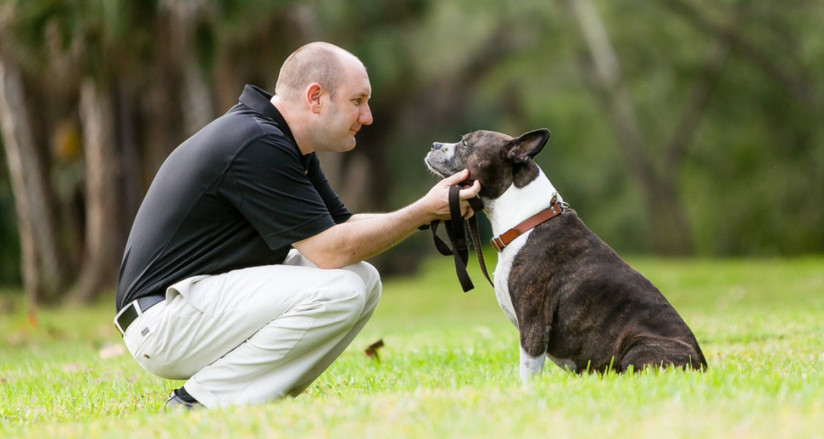
Humans often show love through hugs, kisses, and touch—but dogs express affection differently. They show it through behaviors like nuzzling, gentle nudging, or choosing to snuggle. Calm petting or a well-timed belly rub can strengthen this bond without causing confusion.
Be Gentle and Respectful
Some forms of touch can be misinterpreted. For instance, while a hug feels loving to us, it can feel dominant or assertive to a dog. Instead, focus on gentle gestures like chin rubs, ear scratches, and calm strokes. To make sure your dog feels comfortable, respect their space and introduce hugs gradually.
Be especially mindful of young children, who may be overly physical with their affection. Remind them to keep their movements slow and calm to ensure they interact with dogs in a way that builds trust.
Dogs Learn by Association
If a dog has experienced rough handling, rebuilding trust takes time. Wait for clear body language cues that indicate your dog is comfortable with physical affection.
Resist Picking Up Your Small Dog
Although it’s tempting to scoop up a tiny pup, dogs aren’t naturally accustomed to being lifted. Pups are typically only picked up by their mothers and when they are puppies.
Even small dogs are still dogs, and being lifted can make them feel trapped, stressed, or insecure, which may lead to unwanted or even aggressive behaviors. Allowing your small dog to keep their paws on the ground helps them feel safe and reduces stress.
How to Show Your Dog You Love Them the Right Way
A strong bond is built on love, trust, and respect. By learning how to show your dog you love them in ways they understand, you reinforce positive behaviors and deepen your relationship.
The Power of Affection at the Right Time
Dogs crave attention, so timing matters. Giving attention to misbehavior can unintentionally reinforce it, as dogs may repeat or escalate those actions to get your focus. Likewise, using an overly excited or soothing tone at the wrong time—such as with a fearful dog—can encourage unwanted behaviors. Instead, reward calm, desirable behavior to reinforce good habits while maintaining a loving, trusting connection.
If you need help strengthening your communication with your dog, a Bark Busters trainer can guide you. We specialize in helping owners build better relationships based on understanding and trust!
