

Dog Separation Anxiety Training
Bark Busters Home Dog Training's Guide to Separation Anxiety
You adore your dog—and your dog adores you. But if your dog panics, barks, destroys things, or soils the house every time you walk out the door, it may be more than a bad habit. It could be separation anxiety.
At Bark Busters, we’ve helped over one million dogs worldwide learn to feel safe, secure, and confident—even when home alone. Our proven, in-home dog training methods get to the root of the problem so you can restore peace in your household.
What Causes Separation Anxiety in Dogs?
Separation anxiety in dogs doesn’t have to have a single cause. It is generally the result of multiple factors that stem from a dog’s environment, behavior, and relationship with their owner. At Bark Busters, we believe that fully understanding your dog’s background and daily experiences at home is key to identifying the root of the problem.
Some dogs suffer from separation anxiety because they’ve never been taught it's okay to be alone. Others become anxious due to inconsistent leadership or confusion about their role at home.
Understanding the root cause is crucial for initiating practical separation anxiety training in dogs. Without it, you will always be treating the symptoms—not solving the issue. Common causes of dog separation anxiety include:
- Lack of consistent, canine-style leadership
- Learned behavior driven by fear or nervousness
- Inconsistent conditioning by the owner
- Unmet basic needs like food, security, and stimulation
Many well-meaning owners overindulge their dogs with affection but fail to provide structured leadership. When a dog believes it’s the one in charge, it can panic when its owner leaves without it. This confusion about roles leads to stress, worry, and destructive behaviors, especially in naturally fearful or anxious dogs.
Symptoms of Separation Anxiety in Dogs
Separation anxiety can cause intense distress when a dog is left alone. Look out for these common signs:

Excessive Barking or Howling
Dogs may bark, whine, or howl persistently after you leave—often continuing for hours.
Destructive Behavior
Chewing, digging, or scratching at doors or windows are common.
Pacing
Some dogs walk in fixed patterns, like pacing back and forth or in circles.
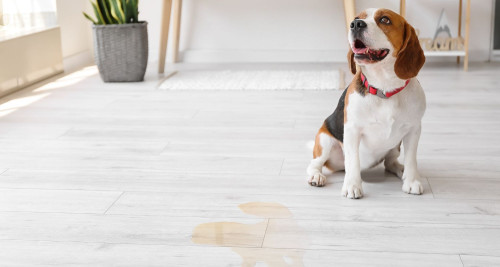
Accidental Soiling
Even house-trained dogs might urinate or defecate indoors when anxious.
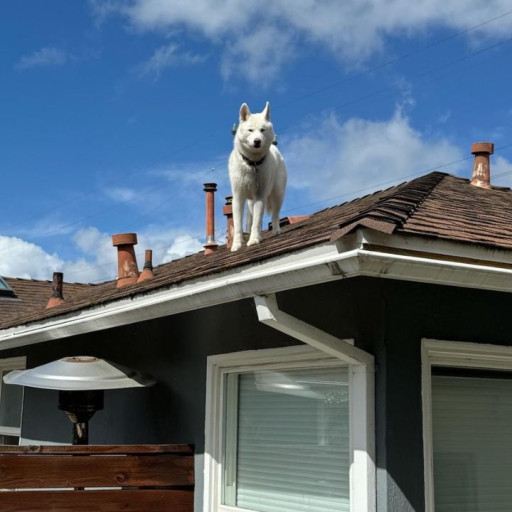
Escape Attempts
Dogs may attempt to break out of crates, rooms, or even their own homes, sometimes injuring themselves in the process.
Drooling and Panting
Physical symptoms like drooling, panting, or salivating often point to anxiety.
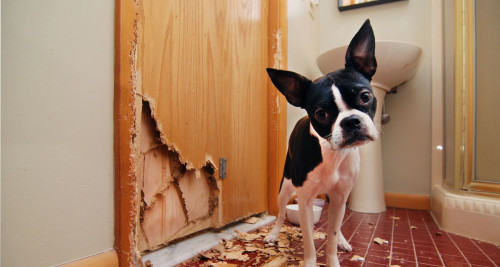
Self-Harming Behaviors
Some dogs excessively lick or chew themselves, leading to hair loss or wounds.
Clinginess
They follow you around constantly and get visibly anxious as you are prepared to leave.
Pre-Departure Anxiety
Dogs may start whining, pacing, or acting unsettled when they pick up on cues that you’re heading out.
How to Handle Separation Anxiety in Dogs
Lead Like a Canine
Your dog pays close attention to every move you make. Inconsistent leadership contributes to anxiety, so it’s essential to demonstrate calm, consistent behavior they can follow.
Meet Their Basic Needs
Dogs need more than love. Make sure they have proper nutrition, a safe environment, mental enrichment, and exercise. Scatter feeding, crating, puzzle toys, and short structured play sessions can all help reduce anxious tendencies.
Practice Calm Separation
Start with brief periods in different rooms or short solo stints outdoors. Gradually build up your dog’s confidence in being alone and calmly correct signs of anxiety as they happen.
Desensitize Departure Cues
Change your routine to avoid triggering anxiety. Put on your shoes or grab your keys randomly throughout the day—and don’t go out! This helps your dog disconnect these actions to your absence.
Reinforce Leadership on Returns
Whenever you return home, don’t overlook hyper or demanding behavior. Calmly correct it to show that leaving and returning is no big deal. A true leader wouldn’t tolerate frantic greetings or attempts to dominate.
Use Targeted Training Scenarios
Correcting your dog after an incident unfortunately won’t help—it just adds to their confusion. Instead, work with a professional to set up moments where you can catch the behavior in the act and redirect it calmly and confidently.
Stay Consistent!
There’s no one-size-fits-all solution. Regardless of if your dog is fearful, assertive, or just confused, your consistency as a leader will make the biggest difference in progress—and you can always turn to your local Bark Busters trainer for personalized advice.
Get Relief for Your Dog's Anxiety. Contact Bark Busters Today!
CALL TODAY 1-877-500-BARK (2275)
What Helps Dogs with Separation Anxiety?
Best Toys for Dog Separation Training
Interactive toys and strategic playtime can go a long way in reducing your dog's anxiety. Here are some toys you can try with your dog:
- Puzzle toys for mental stimulation and reward-based engagement
- Durable chew toys that give your dog a safe outlet for their stress
- Comfort toys, like soft plushies, for reassurance
- Treat-dispensing toys to distract and reward
- Scented toys that carry your scent to calm and comfort
Choosing the right toys can help make alone-time training less stressful and more manageable for both the dog and you.
Preventing Separation Anxiety in Puppies
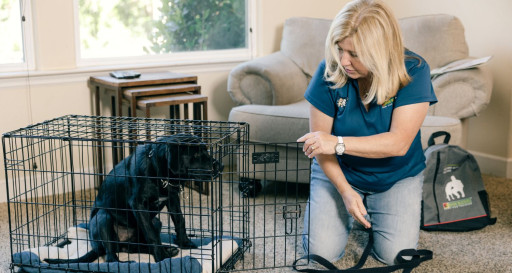
Early dog separation training will help your puppy grow into a confident adult who is comfortable being alone. Here are some tips to try now:
- Create a secure area where your puppy can be left alone safely, free from toxic or chewable hazards.
- Practice short, intentional separations multiple times a day; even moving to another room counts!
- If your puppy cries, don’t immediately rush back. Waiting a bit helps them learn that being alone isn’t scary or permanent.
Teaching your puppy to be okay with separation now prevents more significant issues later, and a Bark Busters trainer can help with early training to stop separation anxiety before it starts.
Let Us Help Turn Anxiety into Confidence—One Home, One Dog at a Time
Separation anxiety doesn’t have to define you or your dog's life, and you certainly don’t have to go through this alone.
With consistent leadership and proven dog training techniques, you won’t just manage the separation anxiety symptoms—you’ll build trust, resilience, and lasting peace of mind for both you and your dog. You both deserve that.
Searching for separation anxiety dog training near me? Bark Busters is excited to bring you expert help right to your home—where your dog feels safest and learns best. Reach out to us today, and let us help strengthen your bond and relationship with your dog.

Meet your local dog trainer!
Call 1-877-500-2275
or enter your zip code to learn more about your trainer.
Hear Directly From Clients with Dog Anxiety Issues
Discover Tips & Advice for Every Dog Owner
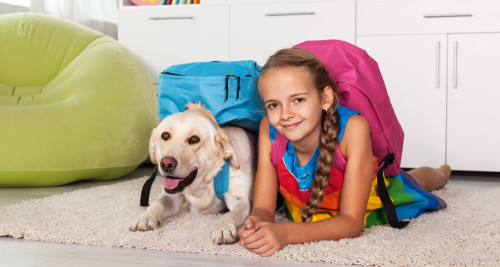
Back-to-School Dog Training Tips: Helping Your Dog Adjust to a New Routine
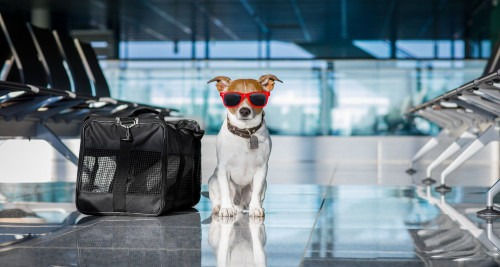
Dog Travel Tips for Safe and Stress-Free Trips

Dog Seeking Attention?
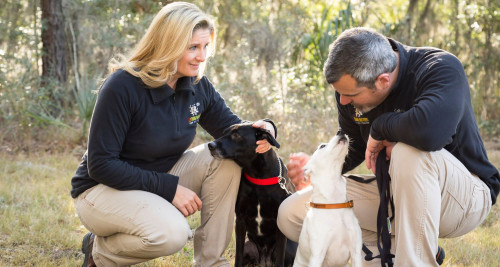
Tips for Every Dog - Why Training?

Business as Usual: A Guide to Returning to a Normal Schedule with Your Dog
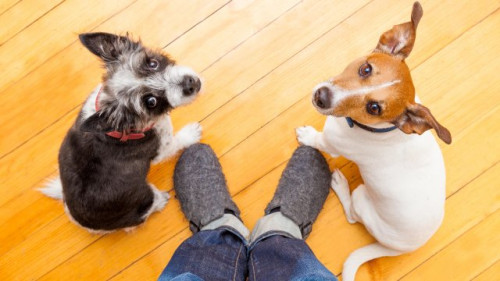
Family Time, All the Time
Resolve Your Dog's Anxiety Today: Fill Out Our Form and Discover the Value of Expert Training!
Quickly confirm your zip code and complete this short form, and we’ll contact you by email or phone within 24 hours to discuss your pet’s training. Avoid the hassle and questionable group classes by opting for customized in-home dog training near you.
- 99.7% 4 or 5 stars 99.7% rate their experience with Bark Busters as 4 or 5 out of 5 stars.
- 99.6% Would Recommend 99.6% would recommend Bark Busters to their friends and neighbors.
- 99.5% Dog Responded 99.5% think their dog responded well to the training.
Need Help with an Anxious Dog? Contact Us Today for Expert Help!
CALL TODAY 1-877-500-BARK (2275)