Dog Behaviors: Understanding Common Dog Behavior Problems
Expert guidance on the most common dog behavior problems
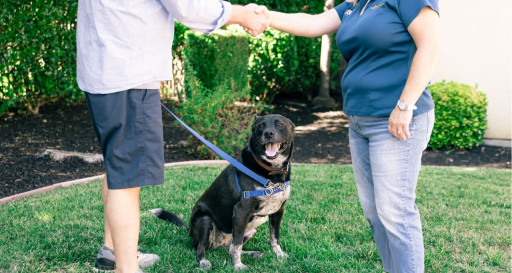
Dogs communicate through their behavior, but some behaviors can become challenging or disruptive for families. Barking, aggression, separation anxiety, reactivity, resource guarding, destructive behavior, jumping, and other dog behavior problems can have different causes and triggers.
At Bark Busters, we help dog owners understand why a behavior is happening, what signs to look for, and what they can do to improve it. Our dog behavior guides cover common challenges and provide practical information to help you better understand your dog.
Explore Our Dog Behavior Guides
Every dog behavior has a reason. Our dog behavior guides explain common behavior problems, possible causes, signs to watch for, and practical ways to help. Our behavior pages are designed to give you answers to the questions dog owners ask most often. We combine expert insight and practical solutions from Bark Busters’ 35+ years of dog training success. If you’re searching for answers about your dog’s behavior, you’re not alone. Help is available.
Explore our guides, learn what your dog is trying to communicate, and discover how Bark Busters can bring calm back into your home.
Dog Aggression
Growling, snapping, lunging, or biting can have different causes. Learn about common signs and triggers of aggression and how to respond safely.

Attention-Seeking Behaviors
Barking, whining, pawing, jumping, and other behaviors may be ways your dog gets attention. Learn why these behaviors happen and how to encourage calmer alternatives.

Excessive Barking
Barking is normal communication, but excessive barking can become frustrating. Learn what may be driving your dog's barking and how to address it.

Compulsive Behaviors in Dogs
Repetitive behaviors such as excessive licking, spinning, or tail chasing can have different causes. Learn what to look for and when your dog's behavior may need attention.

Digging
Why do dogs dig? Digging is natural for dogs, but excessive digging can become a problem. Learn why dogs dig and how to redirect the behavior.

Jumping
Jumping, overexcitement, and difficulty settling down can make everyday interactions challenging. Learn how to encourage calmer greetings and better self-control.

Leash Pulling
Pulling can make walks frustrating for both you and your dog. Learn why dogs pull and how to build calmer, more enjoyable walks.

Nipping & Biting
Puppy nipping is common, but biting can become a concern as dogs grow. Learn why dogs nip and bite and how to teach appropriate behavior.

Reactivity
Does your dog bark, lunge, pull, or become overly excited around dogs, people, or other triggers? Learn what reactivity means and what may be driving it.

Resource Guarding
Does your dog growl, snap, or become tense around food, toys, people, or other valued items? Learn why resource guarding happens and how to respond.

Separation Anxiety in Dogs
Destruction, barking, pacing, or escape attempts when you're away can be signs of separation-related distress. Learn what separation anxiety looks like and how to help.

Sibling Rivalry Between Dogs
Conflict between dogs in the same household can range from tension and competition to serious fights. Learn what may be contributing to conflict and what to do.

Need Help With Your Dog's Behavior?
Reading about your dog's behavior is a great place to start, but some behavior problems require professional and personalized guidance. Bark Busters provides in-home dog behavior training designed around your dog, your family, and the situations you're experiencing at home.
Whether you're dealing with aggression, separation anxiety, reactivity, barking, destructive behavior, sibling conflict, or another challenging behavior, our certified trainers can help you understand the underlying cause and develop a training plan.
Life Changes That Can Affect Your Dog's Behavior
Major changes at home can affect even well-adjusted dogs. Learn how to help your dog navigate common transitions and prevent new behavior problems from developing.
Welcoming a New Baby
Preparing your dog for a new baby helps ensure a smooth, safe transition for your growing family. Changes in routine, sounds, and attention can be stressful for dogs. Bark Busters helps you set boundaries, reinforce calm behavior, and build positive associations so your dog can confidently adjust to your new arrival.

Adjusting to A New Home
Preparing your dog for an upcoming move helps reduce stress and ensures a smoother transition. By maintaining routines, reinforcing basic training, and providing a familiar, secure space, you help your dog feel safe and confident. Bark Busters guides you in creating structure and clear boundaries as your dog settles into their new home.

Welcoming a New Dog to a Home with Dogs
Introducing a new dog to your resident dog gradually can help create a smoother, safer transition. Separate spaces, neutral introductions, supervision, and clear boundaries can help your dogs adjust. Bark Busters can help you establish calm leadership and create a positive relationship between your dogs.