

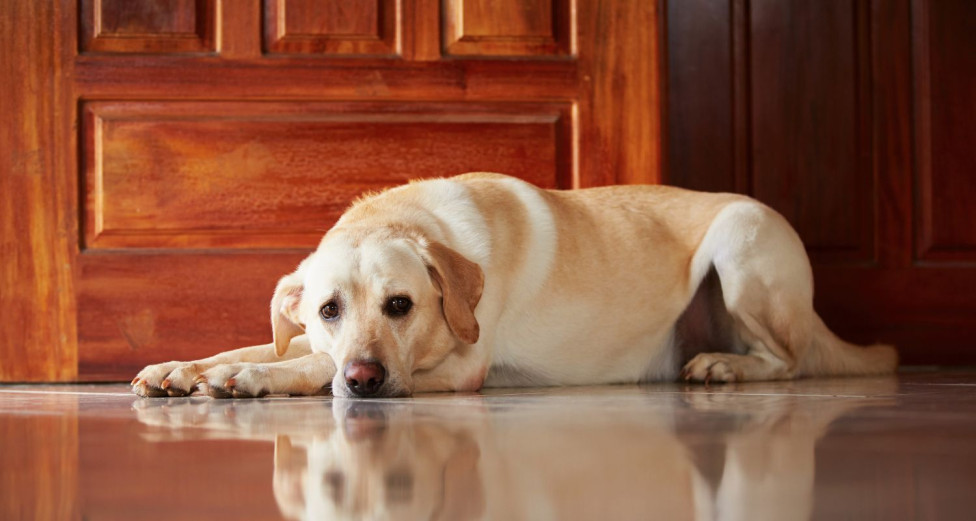
Understanding Dog Separation Anxiety
You love your dog, and that bond goes both ways. But when your dog freaks out, barks excessively, damages your home, or has accidents as soon as you walk out, this is most likely an indication of dog separation anxiety, which is typically based on fear and distress rather than disobedience.
We have been able to help over one million dogs around the world to become comfortable, relaxed, and confident when left alone. At Bark Busters, we provide customized, in-home separation anxiety dog training programs to identify the emotional root cause of the problem and restore the peace and harmony you and your dog deserve at home.
What Causes Separation Anxiety in Dogs?
Most causes of dog separation anxiety are a combination of your dog's lifestyle and a sense of his/her role at home. However, learning about each of those components is essential for determining why he/she exhibits that behavior.
First things first, you need to identify the main reason for the anxiety. If you do not address the source of the problem, your training will probably only help manage some of the symptoms of separation anxiety in dogs and not resolve the real issues. Some common contributing factors to separation anxiety in dogs include:
- Your lack of clear, consistent communication (leadership) that your dog understands
- Fear or anxiety-based learned behaviors
- Changing routines, giving your dog mixed signals or conflicting messages
- Not meeting your dog's basic needs (i.e., providing structure, security, and/or mental stimulation)
Many dogs are loved by their owners, but they provide too much attention and not enough direction. The dog believes it is responsible for maintaining the household, and/or does not know where it fits into the family unit. Therefore, when the owner leaves, the dog becomes panicked. The panic usually results in anxiety-related behaviors like excessive barking, destruction, and/or accidents, especially in naturally sensitive or anxious dogs.
Symptoms of Separation Anxiety in Dogs
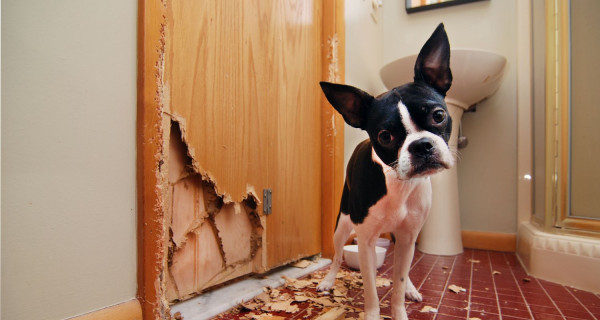
Dog separation anxiety indicates extreme emotional distress when you leave your pet. The most common indicators of this condition include the following.
Barking/Howling
Your dog barks, whines, or howls for an extended time (typically for hours) after you leave.
Destruction
Your dog destroys items, such as furniture, carpets, walls, etc., digs holes, or scratches on doors/windows.
Pacing
Some dogs pace in a repetitive motion around a specific area (i.e. in circles, back and forth).
Unintentional Accidents
Housebroken dogs can still have accidents (urinating/defecating) due to anxiety.
Escape
Attempts Dogs will attempt to escape from crates, rooms, or even their own home, causing physical injury while trying to do so.
Drooling/Panting/Salivation
Anxious dogs may exhibit a variety of physical behaviors, such as excessive drooling, panting, or salivating excessively.
Self-Harming Behaviors
Dogs may develop extreme self-mutilative behavior, including hair loss due to excessive licking/chewing at the skin. This may result in open wounds.
Clinginess
Dogs will continuously follow you wherever you go and appear extremely anxious when preparing to leave.
You don’t have to live with your dog's separation anxiety.
Contact your local trainer today.
How to Handle Separation Anxiety in Dogs
Leadership Must Be Consistent and Clear
Your dog will recognize how you act and feel. An uncertain or unsteady type of leader can be damaging to your dog separation anxiety. A calm and consistent way of leading will give your dog a sense of security and self-confidence.
Ensure They Have All the Basic Needs
Your dog has needs other than just your love. A safe place to live, proper food, exercise, and mental stimulation also are essential for helping your dog overcome separation anxiety. Using activities, such as scatter feeding, crate training, puzzle toys, and short structured play sessions can help reduce dog separation anxiety.
Get Your Dog Comfy with Being Away From You
Teaching your dog to relax while away from you is crucial for successful separation anxiety dog training. Start with small amounts of time spent away from each other, such as going into a separate room or outside for short times.
Then, gradually extend the time you spend apart. If your dog is exhibiting separation anxiety behaviors, address them calmly and reinforce that it is okay for them to be by themselves for short periods of time.
Avoid Reactivity to Separation Cues
Dog separation anxiety behaviors are often triggered by subtle cues (e.g., reaching for a coat, grabbing keys, putting on the mask) that indicate a person is about to leave.
Changing your routine (e.g., holding your keys without leaving) can help your dog realize these cues do not mean you will be departing and may begin to reduce the emotional response associated with those signals.
Keep Calm Leadership Upon Returning Home
How you come home matters, and it can have an equally significant impact on your dog's emotional state as the manner in which you leave. If your dog exhibits frantic or demanding behavior upon your arrival home, respond calmly and confidently. The goal is to treat both arrivals and departures as neutral events and reinforce the fact that separation is temporary and safe.
Train in the Present, Not the Past
Training to address dog separation anxiety should occur at the time of the behavior rather than after the event has occurred. Training while the behavior is occurring allows for calm, non-confrontational redirection and/or communication. However, most dogs with separation anxiety require professional assistance to create training environments conducive to positive results.
Consistency Makes the Difference
Dog separation anxiety is a multi-faceted issue, and there is no single solution. Regardless of whether your dog is fearful, overdependent, or uncertain about its own boundaries, consistency is essential to the resolution of separation anxiety behaviors.
In addition, if you feel you need additional support in developing a plan tailored to your dog, your local Bark Busters dog trainer is always available to help you.
How Do I Help My Dog with Separation Anxiety?
Toys for Separation Anxiety Dog Training
While there are many ways to address separation anxiety in dogs (such as training), using the appropriate toys and engaging your dog in certain activities also can be great. These toys will provide mental stimulation and emotional comfort for your dog during the time you are away.
A thoughtful selection of toys also can reduce your dog's overall stress level and make it easier for him/her to handle being left alone. Here are some examples of helpful toys that may ease dog separation anxiety:
- Puzzle toys: encourage problem-solving and provide mental stimulation.
- Long-lasting chew toys: provide a safe place for your dog to release their nervous energy.
- Comfort items: soft toys that can reassure your dog.
- Treat-dispensing toys: reward calm behavior and provide your dog with a positive association of being left alone.
- Scent-based toys: carry your scent, providing a calming influence on your dog.
These tools can support separation anxiety dog training if used consistently and adequately with routine to help your dog become more comfortable when they are home alone.
Preventing Separation Anxiety in Puppies
This can be prevented by early separation training, which will help the puppy grow into a confident, independent adult dog. Training for this type of separation is critical because if the puppy does develop some level of separation anxiety as an adult, the earlier the training is done, the less severe the condition will likely be.
To begin the process today, here are a few steps.
- Create a quiet area in your home with no temptation and/or potential harm for your puppy to relax safely.
- Schedule short breaks from your puppy during the day (even leaving the room) to encourage independence.
- Do not rush back to your puppy if they whine. Give them a moment, so they understand that the separation is just temporary and they are safe.
Transforming Dog Separation Anxiety into Confidence at Home
Your dog does not have to be defined by their separation anxiety, and neither does your relationship with them. With the correct assistance and instruction, a positive and permanent change is achievable.
Calm, consistent leadership and proven separation anxiety training for dogs will allow you to accomplish far more than just managing your dogs' symptoms. This method will allow your dog to develop confidence, trust, and emotional stability. It also creates a home environment where you both can thrive with less stress and tension.
If you are looking for a separation anxiety dog training program in your area, Bark Busters can provide you with the expertise and direct support of our experienced dog trainers directly in your home, which is where your dog feels most safe and can learn and grow the quickest.
Contact us today, and begin building a stronger bond with your dog while providing them with a sense of security when you leave the house.