

Summary: Dog motion sickness can be caused by physical nausea, stress, or emotional triggers. This guide covers the symptoms and causes, along with practical steps to help create calmer, safer, and more comfortable car rides for your dog.
Bark Busters' Key Points:
- Dogs show motion sickness through vomiting, drooling, shaking, lip-licking, and inactivity.
- Stress and past experiences can mimic or worsen motion sickness symptoms.
- Puppies may outgrow car sickness as their inner ear structures develop.
- Counterconditioning and desensitization help reduce car-related anxiety.
- Safe travel setups, breaks, airflow, and crash-tested crates improve comfort.
Is It Just Motion Sickness, or Could It Be Something More?
When you're watching your dog show signs of distress or discomfort in the car, it’s easy to assume you’re dealing with your dog’s motion sickness.
Vomiting, trembling, drooling, and restlessness can be signs of either nausea or stress in dogs, making the two easy to confuse. Many owners come to us asking, “Do dogs get car sick, or is my dog anxious?” The answer can be either or both.
Car travel brings big emotions for many dogs and leaves owners stumped and wondering Some feel uneasy with the movement, others might respond to past experiences or the unfamiliar environment. Learning and knowing the difference is a great way to support your companion and help restore peace to every ride.
Trouble in Motion
Dogs can show human-like signs of dog motion sickness, including vomiting, drooling, excessive lip-licking, panting, shaking, and sudden inactivity. Many dog owners begin asking themselves, “Do dogs get motion sickness?” because these symptoms are real and uncomfortable, but they aren’t always caused by movement alone. Many dogs experience stress-based reactions that mimic nausea.
Puppies can especially struggle because the inner ear structure that controls balance is still developing. This can temporarily increase their sensitivity to motion, and most young dogs outgrow these early challenges as they mature.
For dogs of any age, emotional triggers play a significant role. A dog may remember being carsick as a puppy, associate a car with a stressful event, or recall being transported to a shelter. When this emotional imprint takes root, the car becomes a source of anxiety instead of adventure. That anxiety often shows up in the same ways that dogs and car sickness present, leading owners to misread the actual cause.
Learning to Love the Car
To address anxiety-driven discomfort, counterconditioning and desensitization work exceptionally well. These proven techniques help your dog build confidence and reshape their emotional response to your car.
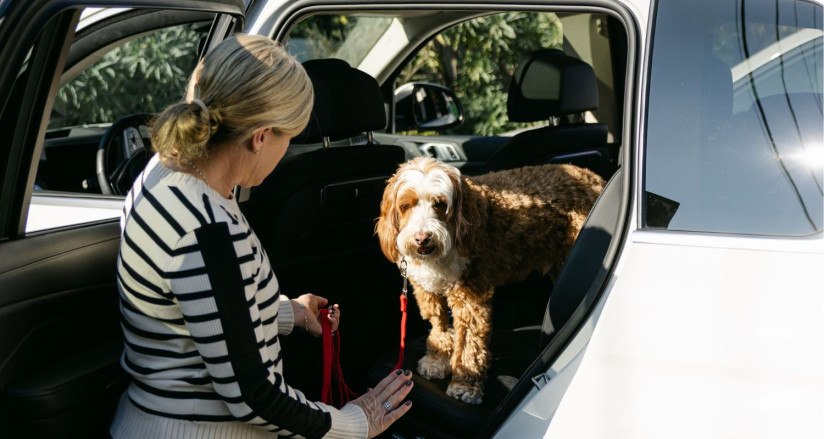
You start by creating new, positive associations in a low-stress environment. Spend a few calm minutes in the parked car with the engine off. Offer relaxed, enjoyable activities such as feeding, gentle brushing, or giving your dog something safe they love to chew on. When your dog can sit comfortably in this first stage, you slowly increase the intensity—turning the engine on, sitting for a bit longer, and eventually taking a short ride around the block.
Your goal is simple: each new step should feel doable for your dog. Short rides to enjoyable destinations, like their favorite dog park or walking paths, help reinforce that car rides lead to good experiences. Over time, this gradual desensitization helps reduce anxiety and can improve symptoms in dogs who appear car sick.
Other Ways to Help Your Dog Feel Safe and Comfortable
Small, thoughtful adjustments can make the biggest difference when you’re trying to understand motion sickness in dogs or working to reduce stress.
A properly secured, crash-tested travel crate can help your dog feel a little more grounded and protected. It prevents them from feeling overwhelmed by the scenery whizzing by, and prevents them from being thrown around (and injured, or worse) in case of an accident.
Give your dog fresh air without allowing their head outside the window, and keep the temperature cool. Offer opportunities for them to stretch, walk, or relieve stress before and after the ride, especially on longer trips. These breaks support both their physical comfort and their emotional regulation.
Training and Support Designed for Your Dog
Your dog can’t tell you what feels overwhelming, but you can learn to understand the signals to look for. When you study the emotions driving your best friend’s behavior, you gain a clearer understanding of what path to take, from now on.
Counterconditioning and desensitization can reshape their feelings of stress, build trust, and replace fear with excitement or confidence, turning car rides from a source of anxiety for both of you into a safe, predictable space.
If you’re unsure whether your dog is experiencing stress, anxiety, or actual motion sickness, personalized guidance gives you clear answers by identifying the root cause of your dog’s discomfort, showing you precisely what triggers the behavior, and giving you step-by-step strategies to help your dog feel calm and secure in the car.
Both of you deserve to enjoy calmer, more leisurely car rides—and a happier bond together! Reach out to Bark Busters today to get started.