

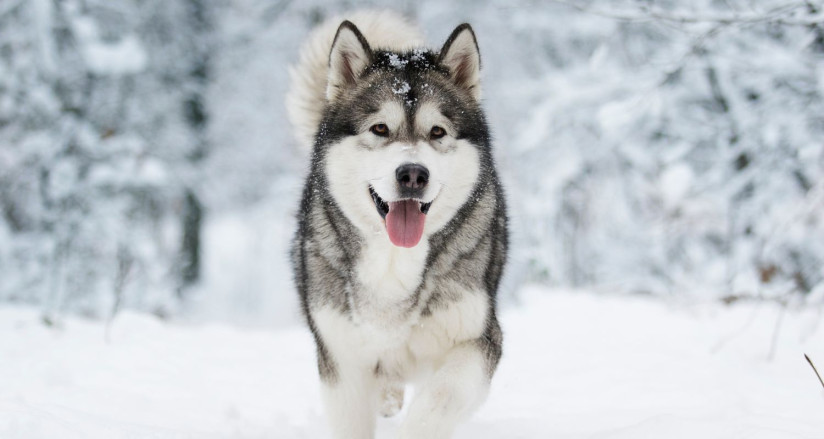
Summary: A quick guide to keeping your dog safe and healthy this winter with tips on warmth, shelter, nutrition, and seasonal hazards.
Bark Busters' Key Points:
- Know your dog’s cold tolerance by breed.
- Provide insulated shelter and dry bedding.
- Keep water from freezing and adjust food as needed.
- Protect paws from ice, snow, and salt.
- Avoid toxins like antifreeze and ice melt.
- Use pet-safe sunscreen for light-coated dogs.
- Keep dogs away from heaters, candles, and frozen water.
- Treat dry eyes to prevent irritation.
Whether you live somewhere with freezing temperatures or reside in a milder climate, winter can bring some challenges for dogs. Fortunately, a few simple precautions can keep your pet safe and cozy.
Understanding Your Dog’s Cold Tolerance by Breed
Certain breeds are insulated from the winter chill by their dense coats, allowing for extended time outdoors. But a comfortable fur coat doesn’t guarantee your dog likes the cold – every dog differs in its tolerance of temperature.
- Do not leave puppies, smaller, older, or shorthaired dogs outdoors in temperatures below 40 degrees.
- Pay attention to signs your dog may be feeling the winter elements, including shivering or begging to come inside.
- Invest in a dog sweater or coat for extra warmth and protection.
Provide Safe Outdoor Shelter for Your Dog in Winter
If your dog stays outside in the winter, check that their doghouse meets minimum safety criteria.
- Make sure the house is large enough for your pet to sit and stand in, but small enough to retain body heat.
- Face the house away from the weather and put a flap on the door.
- Keep it raised several inches off the ground and place straw or cedar shavings on the floor, replacing it often to keep their bedding dry.
Hydration and Nutrition for Dogs During Winter
Hydration is important year-round. Replace metal water dishes with a plastic or heated water bowl to make sure your dog’s tongue does not stick to the bowl. Change the water often to keep to keep it from freezing.
Active dogs will burn more calories in cold weather and will need roughly 10 percent more food to compensate. If your dog is less active in colder months, decrease their food and be sure to schedule regular walks and playtime to avoid unhealthy weight gain.
Protect Your Dog’s Paws from Ice, Snow, and Salt
It’s important to keep an eye on your dog’s paws through the winter months, even though some breeds have tougher paws than others.
- Ice and snow can get caught in the webbing between toes and cut toe pads, or even cause frostbite and hypothermia.
- Watch for symptoms like swelling, blackened or dead skin, and/or pale, gray, or blueish discoloration.
- Dog booties can be a great purchase for pets who will be spending lots of time outdoors in the winter months.
Winter Chemicals to Keep Away From Dogs
Common products like ice melt or antifreeze are great for tackling winter weather but are poisonous if ingested by dogs. Be sure to purchase ice melt that is approved for use around pets, or ensure your dog stays away during and soon after use.
Keep your dog clear from antifreeze, which is extremely toxic, and always read labels for other popular and helpful winter products to gauge their safety.
If you believe your pet has swallowed antifreeze, contact your vet or animal hospital immediately.
Winter Sunburn Prevention for Dogs
Sunburns don’t just occur in the summer. Light-furred and pale skinned pets can also be susceptible to burning if their fur or skin catches the sun’s reflection off snow or ice.
Purchase and use a pet-safe sunscreen, especially for those lighter-haired dogs.
Fire Safety for Dogs: Heaters, Candles, and Fireplace Tips
Whether you’re staying warm or creating a cozy ambience, it’s best to keep pets away from heaters, candles, and other sources of heat or flame. A stray tail wag can easily cause a fire, just as a brush with a space heater can mean a painful burn.
Dog Safety Tips for Frozen and Icy Surfaces
Keep a close eye on your dog around frozen lakes, ponds, creeks, or other bodies of water. Dogs can easily fall through thin ice and get trapped underneath.
You can also help your canine companion avoid slipping and sliding on icy surfaces by keeping their nails trimmed, which give them a better grip.
Treat and Prevent Dry Eyes in Dogs During Winter
Exposure to seasonal elements can cause intense dryness, which may lead to conjunctivitis, mucoid discharge, or irritated painful eyes.
If your dog struggles with dry eyes, consult your veterinarian about eye lubricants to help them weather the winter months.
Help Your Dog Thrive This Winter with Bark Busters
With the right preparation, your dog can enjoy a safe, happy winter season. From proper shelter and nutrition to paw care and toxin awareness, a few simple precautions go a long way.
If you’d like extra support keeping your dog safe and comfortable this winter, a Bark Busters trainer can provide expert guidance tailored to your pet’s needs.
