

Reactive Dog Training
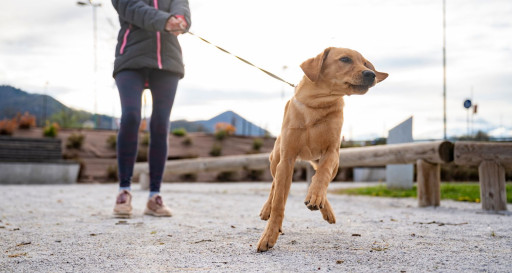
Bark Busters Home Dog Training's Guide to Reactive Dog Training
Your dog barks, lunges, or completely loses it on walks. You're embarrassed, exhausted, and starting to wonder if something is seriously wrong.
The good news is that what you're likely seeing is reactivity, not aggression, and it's one of the most treatable behavior issues we work with every day.
What Is Dog Reactivity?
Dog reactivity is an exaggerated emotional response to everyday triggers like other dogs, strangers, bicycles, loud sounds, or unfamiliar environments.
A reactive dog hasn't learned how to regulate their emotions, so they overreact: barking, lunging, whining, pacing, or pulling hard at the leash.
Reactivity is not a personality flaw. It's a learned response your dog developed because no one taught them a better one. Yet.
What Causes Reactivity in Dogs?
Reactivity often stems from a mix of factors, including limited early socialization and learned behavior. Dogs that weren’t exposed to a variety of people, animals, and environments may struggle to stay calm.
If barking makes a trigger go away, the behavior gets reinforced. Without proper guidance, dogs don’t develop emotional control, and inconsistent or harsh training can increase anxiety and worsen reactivity. Past trauma and limited exposure to the world contribute as well.
What Does a Reactive Dog Look Like?
Reactive dogs bark or lunge at other dogs on walks. They spin, whine, or pant when overstimulated, and may pull toward or away from triggers. They often bark out the window for long stretches when people or animals pass by. On leash, some may snap, not out of aggression, but from frustration when they can’t escape.
Common triggers for reactive dogs include other dogs, unfamiliar people, bicycles and skateboards, passing cars, loud noises, new environments, and the restriction of being on a leash.
Reactivity vs. Aggression: What's the Difference?
This distinction matters enormously, and understanding it can save a dog's life. Many dogs are mislabeled as "aggressive" when they are actually reactive. The two look similar from the outside but have very different causes and require very different training responses.
Reactive dogs are driven by over-excitement, nervousness, or fear. They bark at a high pitch, pant, pace, and lunge. They're frantic and adrenalized. Once the trigger passes, they usually settle back down.
Aggressive dogs are driven by deep-seated fear or a perceived threat. They go quiet and still, with a fixed stare and low growl. They're calculated rather than frantic, and they often stay in that alert state long after the trigger has gone.
Mislabeling a reactive dog as aggressive often leads owners to reach for punishing tools like prong collars and e-collars. These do not address the root cause. They frequently make the problem worse by adding fear to a dog who is already emotionally overwhelmed, and in some cases they can turn a reactive dog into a truly aggressive one.
How Bark Busters Approaches Reactive Dog Training
Our in-home, personalized training works differently than group classes or board-and-train programs, and for reactive dogs that difference is significant. We train where the behavior actually happens.
Reactivity is contextual. It shows up at home, on walks, in specific situations. We come to you and work in the real environment where your dog struggles. We never use aversive tools. No prong collars, no e-collars, no fear-based corrections. These increase anxiety and can deepen the very problem you're trying to solve. We turn you into the trainer.
Our method builds you into your dog's most trusted leader and communicator. Consistent daily practice, just 15 to 20 minutes, creates lasting change because your dog is learning to respond to you rather than to the world around them.
A thinking dog is a calm dog. When a dog is given clear communication and structure, they stop relying on adrenalized reactions to navigate the world. They begin to think instead of just react.
Frequently Asked Questions About Reactive Dog Behavior
If your dog barks and lunges but settles down relatively quickly after the trigger passes, that's typically reactivity. Truly aggressive dogs tend to go still and focused and are much harder to redirect. A Bark Busters trainer can assess your dog's specific behavior and help you understand what you're actually dealing with.
Yes, and results can happen faster than most owners expect. Reactivity responds very well to the right training approach.
The key is addressing the emotional root, not just suppressing the outward behavior. A dog that learns how to think, focus on their owner, and trust their environment will naturally become calmer around triggers over time. The Bark Busters method teaches owners to communicate naturally with their dogs through body language, tone of voice, and calm, consistent leadership. When your dog learns to look to you instead of reacting to everything around them, everything changes.
No. A snap from a reactive dog, especially on leash, is usually a stress response rather than a sign of deep aggression. The sooner you address the underlying anxiety, the better the outcome.
Most reactive dogs improve dramatically with the right training. Some may always need some management around certain triggers, but the vast majority of owners see significant, life-changing progress.
Many Bark Busters clients notice a real difference after the very first session. Full behavior change takes consistent practice over weeks and months, but the trajectory shifts quickly once the right approach is in place.
What You Can Do Right Now for Your Reactive Dog
Stop Managing and Start Training
Avoiding every trigger may feel safer in the short term, but it doesn’t solve the problem. It simply works around it without changing the underlying behavior. Training focuses on teaching your dog how to respond differently, so they can handle real-life situations with confidence.
Stay Calm on the Leash
Your energy travels straight down the leash. Tension in your body, your grip, or even your breathing can signal danger to your dog, even when none exists. Staying relaxed and in control helps your dog feel more secure and less reactive.
Reduce Access to Distractions
Limit things like constant window access if your dog spends time reacting to people or animals outside. Every repeated, uncorrected reaction strengthens the habit. Managing the environment early on helps break the cycle while you work on training.
Reach Out to a Professional Dog Trainer
A professional Bark Busters dog trainer who understands the difference between reactivity and aggression can create a plan tailored to your dog, your home, and your daily routine. With the right guidance and consistency, you can address the root cause and achieve lasting, reliable results.
Other Behavior Challenges that Reactive Dogs May Face
Dog reactivity can occur alongside other behavior challenges, such as excessive barking, leash pulling, or anxiety. Explore these related training guides to learn more about common dog behavior issues and how Bark Busters can help.
Reactivity is One of the Most Common Reasons Dog Owners Contact Bark Busters
You're not alone, and your dog isn't broken. It’s stressful, isolating, and exhausting, but it is solvable. Thousands of families have worked through it and now enjoy taking their dogs anywhere.
Confirm your zip code and complete a short form, and we’ll contact you within 24 hours to discuss personalized in-home training tailored to your dog.
- 99.7% 4 or 5 stars 99.7% rate their experience with Bark Busters as 4 or 5 out of 5 stars.
- 99.6% Would Recommend 99.6% would recommend Bark Busters to their friends and neighbors.
- 99.5% Dog Responded 99.5% think their dog responded well to the training.