

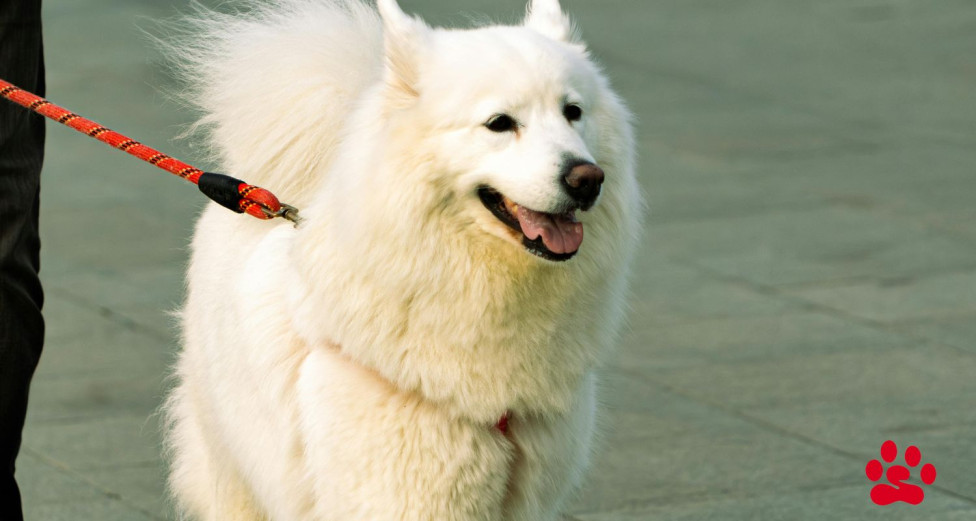
If every walk feels like an upper-body workout you didn’t sign up for, you’re not alone. Dog pulling on leash is one of the most common frustrations we hear from San Mateo and Menlo Park dog owners. And no, it doesn’t mean you failed—or that your dog is “stubborn.”
We asked our local San Mateo dog therapist, Jared Levenson, for his thoughts on why leash pulling happens and what actually works to fix it.
Why Dog Pulling on Leash Is So Common Around San Mateo
Life here is busy. Between work, kids, Slack notifications, and squeezing in a walk before sunset, most dogs experience walks as the most exciting part of their day.
When your dog hits the sidewalk—whether it’s along the Sawyer Camp Trail, downtown Burlingame, or a quiet Half Moon Bay street—the world explodes with smells, sounds, and movement.
Pulling isn’t defiance. It’s usually excitement, uncertainty, or a lack of clear communication.
What Your Dog Is Really Saying When They Pull
Dogs don’t pull because they want to dominate you. They pull because they’re trying to lead themselves. In canine language, leadership equals safety.
If your dog doesn’t feel calm guidance from you, they’ll take on the role—nose first, shoulders forward, leash tight. That’s not bad behavior. It’s an anxious one.
Why Treat-Only Leash Training Often Falls Apart
The Bay Area loves positivity. Yoga studios on every corner, meditation apps, and yes—pockets full of treats. Rewards are great. But when treats become the only communication tool, problems creep in.
Your dog learns to walk nicely only when food is present. And when the treats run out, so does the behavior. It’s a bit like relying on caffeine instead of sleep. Helpful short term, unsustainable long term. Of course we want to reward our dogs. We just don’t want to depend on snacks like a leash-walking life support system.
How Bark Busters Approaches Dog Pulling on Leash Differently
At Bark Busters, leash pulling is never treated as an isolated problem. It’s a relationship issue first, a walking issue second.
Our approach focuses on:
- Clear, calm leadership your dog instinctively understands
- Natural canine communication instead of constant commands
- Confidence at home that transfers outside
- Structure without fear, force, or food bribery
When leadership is established indoors, the leash becomes a conversation—not a tug-of-war.
Showing Leadership Isn’t Harsh—It’s Reassuring
In San Mateo, many owners worry that setting boundaries feels “mean.” But dogs actually relax when expectations are clear. Think of it like traffic rules. Chaos feels stressful.
The structure feels safe. Leadership doesn’t mean yelling or jerking the leash. It means being consistent, calm, and confident—especially when distractions hit.
Why Training Starts at Home (Not on the Sidewalk)
Most people try to fix pulling during the walk. That’s like learning to swim by jumping into the ocean. In-home training gives your dog clarity before distractions hit.
Once your dog understands how to follow your direction calmly inside, the outside world stops feeling overwhelming. That’s why Bark Busters works one-on-one in your home. It’s quieter, safer, and far more effective.
Simple Shifts That Reduce Pulling Right Away
While every dog is different, these principles often create quick changes:
- Start walks calmly, not rushed or excited
- Pause the walk the moment the leash tightens
- Change direction instead of pulling back
- Walk with intention, not on autopilot
- Breathe—dogs feel tension instantly
Leash pressure shouldn’t be constant. A loose leash tells your dog, “I’ve got this.”
A Local Perspective From Jared Levenson
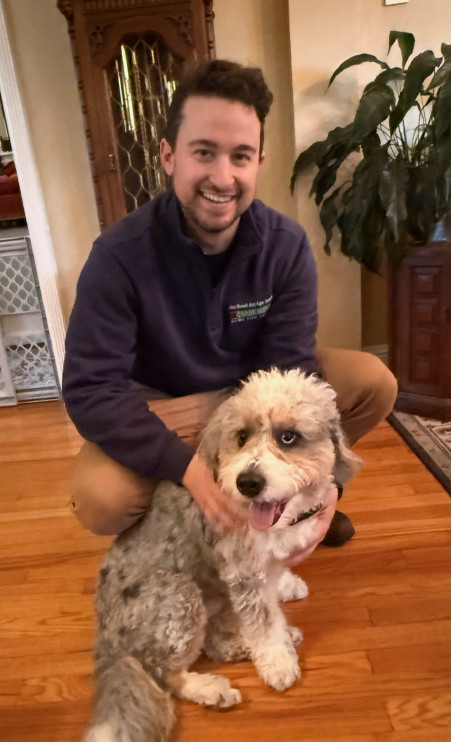
Jared didn’t learn dog behavior from a textbook alone. He grew up on a Sacramento farmhouse where animals were family—one dog, thirteen cats, sheep, even goldfish.
Before training dogs, he worked as a behaviorist with autistic children at Easter Seals. Later, he earned his Master’s in Counseling Psychology from Santa Clara University and worked as a mental health counselor in Half Moon Bay.
Add years as a yoga instructor, and it makes sense why dogs relax around him. Calm energy is contagious. Jared often reminds clients that leash pulling mirrors human stress. When we rush, brace, and tense up, dogs respond in kind.
Why Results Last With the Bark Busters Method
Because Bark Busters focuses on communication, not gimmicks, results tend to stick. Dogs don’t behave just to earn rewards—they behave because they understand their role.
And if pulling resurfaces months or years later? Support doesn’t disappear. The Gold Service includes a Life of Dog Support Guarantee. That means ongoing help for your dog’s entire life—even remote support if you move.
Imagine Dog Walks That Feel…Easy
Picture strolling through your neighborhood without bracing your shoulders. Your dog is walking beside you, checking in naturally. No constant stopping. No silent frustration. Just connection.
If a dog pulling on leash has been draining the joy out of walks, help is closer than you think. Reach out to the local Bark Busters San Mateo / Mid-Peninsula team for personalized, in-home support!
Call 1-877-500-BARK (2275) to start the conversation. You can also take the free, personalized dog behavior quiz to gain insight into what’s driving the pulling and how to address it.
Calm walks aren’t about strength. They’re about understanding—and that’s something you and your dog can learn together.