

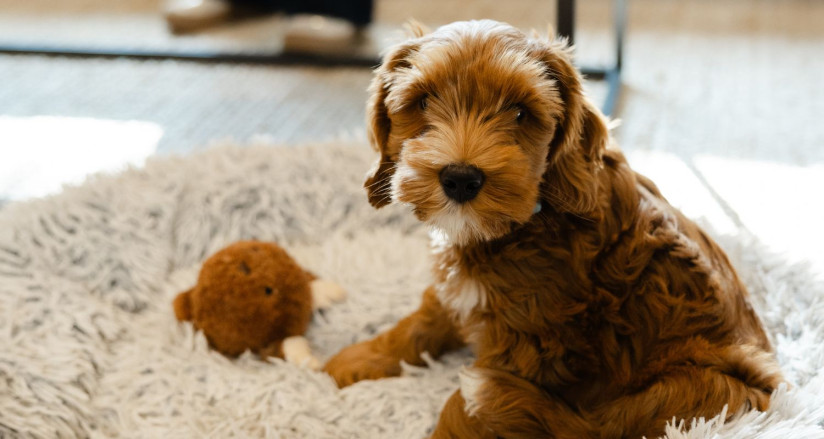
Summary: Raising a puppy requires realistic expectations, structure, and consistent leadership from the start. When you guide behavior early, you prevent problems and build lasting good habits.
Bark Buster’s Key Points:
- Puppies learn how to live with dogs first, not people.
- Early leadership and clear communication prevent behavior problems.
- Calm responses shape jumping, nipping, and chasing behavior.
- Structured feeding, supervision, and crate training support housebreaking.
- Small, consistent actions create long-term behavior patterns.
Puppies are adorable little bundles of cute, but raising a puppy requires preparation, patience, and realistic expectations. When you know what your puppy can and cannot do in the early months, you set both of you up for long-term success and a happier relationship. This quick guide will help you avoid common frustrations and build a strong foundation from day one.
Puppies Aren’t Small-Adult Dogs
Puppies are dogs, the way infants are people. They are not fully developed either physically or mentally. It’s critical that puppies spend at least eight to ten weeks with their parents and siblings.
This is an important time for them as they learn important lessons taught primarily by their siblings and, in particular, their Mom, teach them how to live with other dogs. They learn how to communicate with dogs, how to play with dogs, and how to learn from dogs.
Mom teaches them how to behave through tone of voice and body language. She doesn’t use treats, shock collars, or prong collars to get them to behave.
However, the invaluable time they spend with their mother does not teach them how to live with people. This is also important to understand.
During their first eight to ten weeks, puppies learn how to interact with other dogs, not how to live with people. While a reputable breeder may introduce early human interaction, many puppies, especially those from shelters, puppy mills, or pet stores, receive limited to very little structured exposure.
Even well-bred puppies typically understand canine communication far better than our human expectations.
How do you raise a puppy in a way that builds calm, confident behavior from the very start?
It begins with clear leadership and consistent communication.
Why Puppies Act the Way They Do
When puppies come into our homes, they think we are dogs. This is because being a dog is their only frame of reference, they have, and they can’t change their point of view.
This means it’s up to us to teach our puppies how to live and communicate with us.
How Puppies Naturally Play
Puppies assume we are just part of their world, so they interact with us the same way they interacted with their littermates. Play, in their minds, means jumping, nipping, chasing, and being chased.
That kind of rough-and-tumble behavior feels completely normal to them. Whether it continues, however, depends on how you respond. When you calmly guide them and set clear boundaries, they begin to understand that people play by different rules.
How Your Response Shapes Their Behavior
How we respond will determine whether they continue this or start to learn that people don’t play the same way.
Jumping, nipping, and chasing are not signs of a “bad” puppy. They reflect normal canine behavior. One of the best tips for raising a puppy is to respond with calm authority instead of frustration.
When you redirect inappropriate behavior and reward calm responses, your puppy quickly learns that people interact differently from dogs.
Their Early Experiences with You Shape Lifelong Behavior
Puppies are impressionable, and early impressions can last a lifetime. It's vital not to overwhelm them or let them get overwhelmed by people, dogs, or situations.
Let them get to know you and your family first and start learning how to live with you before exposing them to many people and places outside your home.
Socialization does not mean flooding your puppy with stimulation. It means introducing new experiences gradually and positively.
Practical tips for raising a puppy include controlled introductions, structured exposure to sounds and environments, and protecting your puppy from frightening encounters. Positive early experiences build resilience. Overwhelming experiences create setbacks.
Successful Toilet Training Requires Structure
Toilet training, often a big concern for first time puppy parents, takes patience and understanding. It's not that difficult if you understand some basic guidelines.
What goes in will come out. If you free-feed, the process is harder because you'll never know when nature will take its course. A regular schedule of feeding will help. Too much freedom too early will result in accidents. Crate training makes toilet training easier.
Consistency makes housebreaking easier and more predictable. So, try to:
- Feed on a schedule
- Supervise closely
- Limit freedom until your puppy earns it
When you manage the environment and prevent mistakes, you accelerate learning. Clear structure is one of the best tips for raising a puppy as it replaces chaos with routine.
Your Behavior Also Teaches Your Puppy
What you do teaches your puppy. If you get home and immediately fuss over your pup, expect your pup to make a big fuss when you get home.
If you get home and wait until your pup is calm and quiet before interacting with your pup, it will learn to be calmer. Every single interaction with your pup shapes their future behavior. If you reward their excitement, they will show you more excitement. If you reward their calmness, you will see more calmness.
Raising a puppy means becoming aware of what you reinforce every day. This is, surprisingly, a wonderful journey of self (and puppy) discovery, together. Small, consistent choices create lasting habits for both of you.
Set Realistic Milestones
Be realistic about what you expect from your puppy. Mentally, he will make great strides in the first one to two years.
Focus on these foundational skills first:
- Housebreaking
- Name recognition
- Recall
- Basic obedience, like sit, stay
As your delightful puppy matures, you can expand training goals. When approaching raising a puppy with patience and a clear plan, progress feels steadier rather than overwhelming.
Get Positive, Expert Help Before Small Problems Grow Up to be Big Ones
Bark Busters Home Dog Training has been helping people understand and communicate clearly with their puppies and dogs for decades. We have helped train over one million dogs worldwide. We love helping people with their puppies.
If you have a pup or are going to be getting one, start early and start with positive, expert, and professional guidance. Personalized, in-home training lets you address challenges in the environment where they occur. Our humane, proven methods focus on clear communication and natural canine behavior. With the right support, you can gain the skills and confidence to successfully lead your puppy.
If you want expert help raising a puppy and building lifelong good behavior, schedule your in-home Bark Busters consultation today and start creating the calm, respectful relationship your dog deserves.