

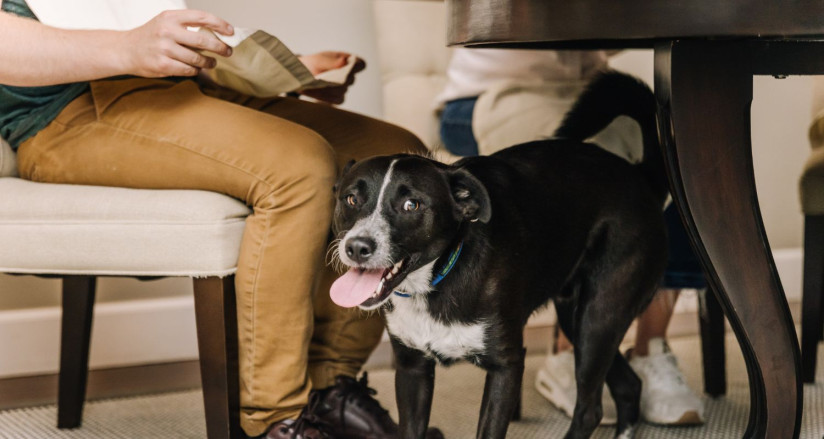
Summary: Keep your dog safe this Thanksgiving by knowing which Thanksgiving foods dogs can eat and which to avoid. Choose dog-friendly treats, keep hazardous foods out of reach, and prevent guests from sharing unsafe table scraps.
Bark Busters Key Points:
- Avoid turkey bones: Cooked bones can splinter and cause choking or internal injuries.
- Serve turkey safely: Offer small portions of plain, skinless, boneless white meat.
- Choose safe Thanksgiving foods: Plain green beans and small amounts of plain turkey broth are better options than rich, seasoned dishes.
- Avoid dangerous foods: Keep stuffing, gravy, onions, grapes, raisins, chocolate, xylitol, alcohol, and other harmful ingredients away from dogs.
- Prevent food stealing: Remind guests not to feed your dog table scraps, and use dog training to address counter surfing and food stealing.
Thanksgiving dinner is full of tempting favorites, from turkey and cranberry sauce to rolls, stuffing, and other seasonal dishes. Our dogs are just as drawn to the delicious smells, and their natural scavenging instincts may lead them to the table in search of scraps.
According to a PetMD report, 56% of surveyed readers admitted to sharing Thanksgiving food with their dogs. However, some holiday foods can be dangerous for pets and may even require an emergency vet visit.
Follow these tips to help your dog enjoy a safe, healthy Thanksgiving without an unexpected trip to the vet.
Can Dogs Eat Turkey Bones? Why Cooked Bones Are Dangerous
The turkey carcass may seem like the perfect treat for your dog, especially after a big Thanksgiving meal, but cooked turkey bones can be dangerous. They can splinter into sharp pieces, posing a choking hazard and potentially causing mouth injuries, intestinal blockages, or damage to the digestive tract. Even small bone fragments can create serious health risks.
To keep your dog safe, never give them leftover turkey bones or allow them to scavenge scraps from plates or the kitchen counter. Place the carcass and discarded bones in a securely sealed garbage bag, then dispose of them in an outdoor trash can with a secure lid. This helps prevent curious dogs from getting into the garbage and eating something harmful.
Can Dogs Eat Turkey? How to Safely Share Thanksgiving Turkey
If your dog is lucky enough to enjoy a taste of Thanksgiving turkey, offer a moderate portion of plain white meat, which is a lean source of protein and generally easier for dogs to digest than dark meat.
Cut the turkey into small, bite-sized pieces, removing all skin, excess fat, and bones. Avoid seasoning, butter, and sauces, which can upset your dog’s stomach. You can also offer a small helping of cooked giblets, including the gizzard, liver, and heart. Keep portions small and treat turkey as an occasional snack rather than a replacement for your dog’s regular, balanced diet.
Thanksgiving Foods Dogs Can Eat Safely
Your dog can enjoy a few Thanksgiving favorites, too, as long as you choose dog-friendly foods and prepare them simply. Plain green beans make a healthy, low-calorie snack, while casseroles and heavily seasoned dishes are best left off your dog’s menu. Plain turkey broth can also add flavor to your dog’s meal as an alternative to rich, fatty gravy.
Other plain vegetables, such as cooked carrots or sweet potatoes without added butter, sugar, or seasoning, may also be suitable in small portions. Introduce new foods gradually and keep servings modest to avoid digestive upset. Always check ingredients before sharing, as common additions like garlic, onions, and excess salt can be harmful to dogs.
Thanksgiving Foods Dogs Should Never Eat
Humans and dogs share certain symptoms of overindulgence, including an upset stomach. But even small amounts of many holiday foods have dangerous consequences for our canine companions, from vomiting and diarrhea to worse.
The following foods are best for human-only consumption:
- Stuffing
- Gravy
- Bread dough
- Garlics, onions, leeks, chives
- Nuts
- Sage
- Sour cream, butter
- Grapes and raisins
- Cranberry sauce
- Chocolate
- Artificial sweeteners like Xylitol
- Alcohol
- Caffeine
How to Keep Guests From Feeding Dogs Unsafe Thanksgiving Foods
It can be hard for guests to resist your dog’s adorable face during Thanksgiving dinner, especially when everyone is sharing their favorite foods. Let visitors know ahead of time which foods are off-limits and ask them not to feed your dog table scraps. Even well-meaning guests may unknowingly offer foods that can upset your dog’s stomach or pose serious health risks.
To help prevent accidental feeding, keep your dog away from the dining table during the meal and remind guests to keep plates, drinks, and leftovers out of reach. Providing your dog with a safe, dog-friendly treat can help them feel included without putting their health at risk.
Train Your Dog for a Stress-Free Thanksgiving
Thanksgiving should be an enjoyable holiday for the whole family, including your dog. Along with choosing safe foods and keeping dangerous ingredients out of reach, a little preparation and training can help prevent unwanted behaviors during your celebration. Teaching your dog to stay away from the dining table, resist counter surfing, and settle calmly when guests arrive can make holiday gatherings less stressful for everyone.
If your dog tends to steal food, jump on guests, or get underfoot during meal preparation, a Bark Busters trainer can help you address these behaviors with personalized, in-home dog training. By practicing in your own home, you can build better habits in the places where these challenges actually occur, helping your dog enjoy a safer, more relaxed Thanksgiving.
