

Crate Training
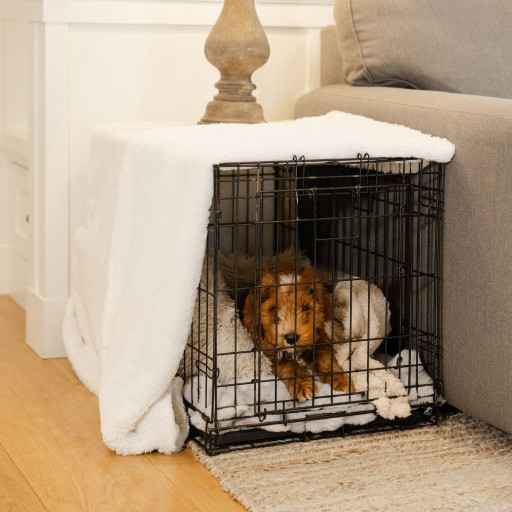
Crate Training Done Right Creates a Calm, Secure Dog and a Happier Home
Give your dog a place to call their own. Here's everything you need to know, from setup to sleep-through-the-night success.
Dogs are den animals by nature. Just like their wild ancestors sought out small, sheltered spaces to rest and feel safe, your dog has that same instinct. A properly introduced crate isn't a cage, it's a personal retreat. When set up correctly, most dogs choose to spend time in their crate voluntarily.
Crate training is one of the most powerful tools available to dog owners. It supports potty training, reduces destructive behavior, eases separation anxiety, and gives your dog a secure space during stressful situations like storms or travel.
The key is patience, consistency, and introducing the crate in a way that feels positive from the very first day. Whether you have a brand-new puppy or an adult dog, this guide will walk you through everything. Our expert trainers are always here to help if you need personalized support.
Crate training isn’t just convenient for you—it’s genuinely beneficial for your dog when introduced the right way. It taps into your dog’s natural den instinct, giving them a safe, secure space where they can relax and feel at ease.
Crate Training for Potty Training Success
Dogs naturally avoid soiling the space where they sleep. A properly sized crate encourages your puppy to “hold it” until you can take them outside, helping speed up house training while building consistency and routine.
Prevent Destructive Behavior with Crate Training
Puppies and young dogs explore the world with their mouths. A crate provides a safe, controlled environment when you can’t supervise, preventing chewing, counter-surfing, and other unwanted habits from forming.
Using a Crate to Help Separation Anxiety
When introduced positively, a crate becomes a place of comfort—not isolation. With familiar bedding and toys, it can help dogs feel secure when left alone, reducing stress and preventing panic-driven behaviors.
Crate Training for Travel and Vet Visits
Crate-trained dogs are more relaxed during car rides, vet visits, and even air travel. Having a familiar “home base” helps them adjust more easily to new environments and changing routines.
Creating a Safe Space for Your Dog at Home
From loud noises to busy households, life can feel overwhelming for dogs. A crate gives them a quiet place to retreat, decompress, and rest without being disturbed—helping them stay calm, balanced, and confident.
How to Choose the Right Dog Crate
Choosing the right crate comes down to size, style, and placement. The right setup makes a big difference in how quickly your dog feels comfortable and confident using it.
Crate Size Guidelines for Dogs
Size matters. The crate should be large enough for your dog to stand up, turn around, and lie down comfortably—but not so large that they use one corner as a bathroom.
For puppies, choose a crate with a divider panel so you can adjust the space as they grow, keeping it appropriately sized throughout the training process.
Types of Dog Crates
There are several crate styles to choose from, and the best option depends on your dog’s temperament and your lifestyle:
- Wire crates offer excellent ventilation and visibility, making them ideal for most dogs. They’re also easy to clean and often fold for storage or travel.
- Plastic or travel crates provide a more enclosed, den-like feel, which can be comforting for some dogs. They’re also commonly airline-approved.
- Soft-sided crates are lightweight and portable, best suited for calm, crate-trained dogs who won’t chew or try to escape.
- Furniture-style crates are designed to blend into your home décor, doubling as functional furniture.
Where to Put Your Dog’s Crate
Placement plays a key role in how your dog experiences their crate:
- Position the crate in a social area of your home, like the living room, so your dog feels included rather than isolated.
- Avoid direct sunlight, heating vents, or drafty areas that could make the crate uncomfortable .
- Keep it away from front doors or windows where outside activity may trigger barking or guarding behavior.
A well-chosen and properly placed crate helps your dog settle faster, feel more secure, and build positive associations with their space.
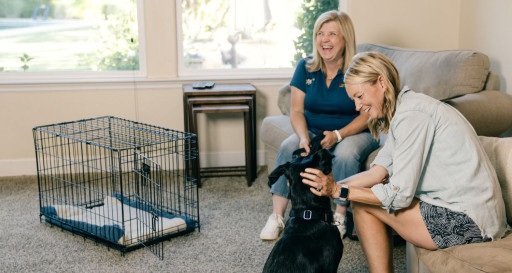
A Crate Is Not Punishment—It’s Your Dog’s Safe Space
A crate should always be a positive, safe space for your dog—a place they associate with comfort, calm, and security.
It should never be used for punishment or as a form of “time-out,” as this can quickly create fear or resistance toward the crate. Instead, the goal is to build a strong, positive association so your dog willingly chooses to enter and settle inside.
With encouragement, consistency, and positive experiences, your dog will come to see the crate not as confinement, but as a trusted space, supporting stress-free training, better behavior, and overall well-being.
Teaching Your Dog How to Use a Crate
Before you begin crate training, it’s important to understand what a crate is—and what it isn’t. A crate is a training tool designed to provide safety, structure, and a sense of security for your dog. It should never replace proper training or supervision.
Crating works best when it’s part of a balanced routine that includes exercise, mental stimulation, and interaction. Dogs should not be left in a crate for extended periods, and longer confinement should be managed in a safe, puppy-proofed area instead.
Follow these steps to create a positive first experience and gently introduce your dog to the crate in a way that builds comfort, confidence, and trust:
- Place an old sweatshirt or blanket on the floor of the crate as bedding. The smell of your old things will help comfort your dog, so be sure to handle or wear the item first.
- Create a cozy, dark and comforting environment for your dog by placing a cover over three sides of the crate leaving only the entrance open. Just keep the temperature in mind; you don’t want it too hot in his den. In warmer weather, a dark sheet will suffice.
- Start the introduction with no pressure. Allow your dog to investigate the crate by placing toys, treats, even food and water inside, leaving the door open. Encourage him to investigate it. Praise him when he enters the crate on his own.
- Start closing the door when he is occupied and let him be. Many dogs will take a nap. However, do not be surprised if it takes your dog three or four days to become comfortable and relaxed.
- If you’ve already established a clear correction approach, you may correct your dog for whining, or showing other signs of stress. Do not remove your dog from the crate because he whines—wait until he is quiet. Reacting to his demands will teach him that whining works to get what he wants.
- Once he has had pleasurable exposures to the crate, you may gently guide him to it on leash, if necessary. If he resists, stay calm but firm—do not yank the leash. Feeding the leash through the back of the crate to provide better direction while giving lots of encouragement often is all that its needed.
Want to keep these crate training tips handy? Download our free PDF handout for quick, easy reference whenever you need guidance during your dog’s crate training journey.
Crate Training Frequently Asked Questions (FAQs)
The best time to start crate training a puppy is as early as 8 weeks old, or as soon as you bring them home.
At this age, puppies are naturally more adaptable and haven’t yet developed strong habits, making it easier to build positive associations with the crate. Early crate training also supports house training, routine, and confidence, helping your puppy feel secure from the start.
That said, crate training can begin at any age. Older puppies and adult dogs can still learn successfully—it may just take a bit more patience and consistency.
For adult dogs, no more than 4 hours at a stretch during the day. Puppies need breaks more frequently based on age.
Absolutely. Adult dogs can absolutely learn to love a crate — in many cases, they adapt beautifully with the right introduction. The process is the same; it may just take a little longer.
Many dogs prefer a partially covered crate because it feels more den-like. Try draping a blanket over three sides and see if your dog settles more quickly.
Whining often means the crate was introduced too quickly. Go back a step: leave the door open, reinforce positive associations, and shorten the time inside before building up again. Avoid letting your dog out while they're actively whining, as this rewards the behavior.
Crates can help dogs with mild separation anxiety feel more secure, but severe anxiety requires a more comprehensive approach. A Bark Busters trainer can help you build a plan that addresses the root cause — not just the symptoms.
Create a Calm, Confident Dog with Expert Crate Training
Crate training done right creates a calm, secure dog and a happier home. Dogs are den animals by nature, and a properly introduced crate becomes a safe, comfortable retreat, not a cage. It’s one of the most effective tools for potty training, reducing destructive behavior, easing anxiety, and helping your dog feel secure during stressful situations.
The key is patience, consistency, and making the experience positive from day one. Whether you have a new puppy or an adult dog, we can help you crate train successfully.
Ready for expert help? Confirm your zip code and complete a short form, and we’ll contact you within 24 hours to discuss personalized, in-home training—so you can skip the hassle of group classes and get real results faster.
- 99.7% 4 or 5 stars 99.7% rate their experience with Bark Busters as 4 or 5 out of 5 stars.
- 99.6% Would Recommend 99.6% would recommend Bark Busters to their friends and neighbors.
- 99.5% Dog Responded 99.5% think their dog responded well to the training.