

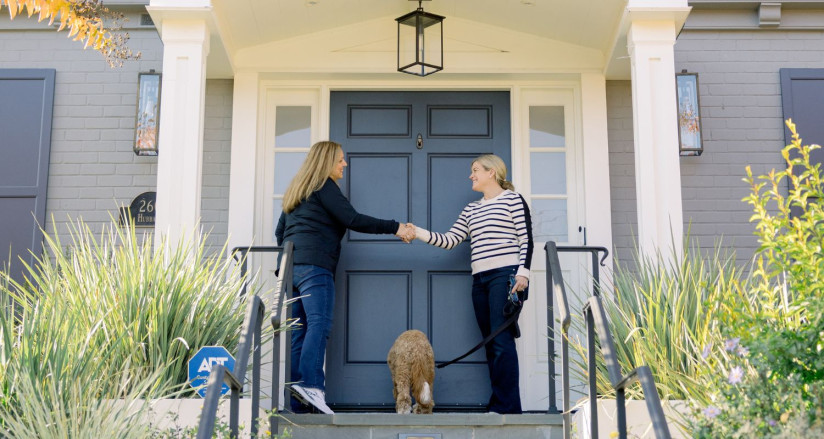
Summary: This guide helps new adopters prepare their home, set clear boundaries, and support a rescue dog’s smooth transition using structure, patience, and leadership—so you can build trust from day one.
Bark Busters' Key Points:
- Establish calm, consistent house rules before your dog arrives.
- Start with limited space, structured routines, and clear boundaries.
- Understand the 3-3-3 rule and adjust expectations during the transition period.
- Early training and leadership build confidence, prevent behavior issues, and strengthen your bond.
Congratulations on choosing to adopt or rescue a dog! You’re giving a wonderful dog a second chance and gaining a loyal new friend.
Every adopted dog has their own story—and with the right preparation, patience, and guidance, you can help your new companion feel safe, loved, and at home.
How to Prepare Your Home for an Adopted or Rescued Dog
Dogs thrive with structure and leadership. They are pack animals by nature and look to you to set the tone. By establishing calm, consistent rules from the start, you’ll help your dog feel secure and confident in their new environment.
If you already have a dog at home, preventing sibling rivalry starts before introductions. A balanced, structured environment helps each dog feel valued and reduces competition— contact your local Bark Busters trainer if you need guidance preparing for a new addition.
Set Clear Expectations and House Rules Before Your Dog Arrives
Before bringing your dog home, take time to establish consistent rules for everyone in the household.
Decide together:
- Will your dog be allowed on furniture or beds?
- Where will they sleep and eat?
- Who will walk, feed, and clean up after them?
Consistency is key—if everyone in your household follows the same guidelines, your dog will adapt more quickly and avoid confusion.
Essentials to Have Before Bringing Your Dog Home
Make sure you are fully prepared by gathering these essential items ahead of time:
- Collar and ID tags
- 6-foot leash
- Food and water bowls
- Quality dog food
- Toys and enrichment items
- Crate or bed
- Basic grooming tools
Consider the Timing of Your Dog’s First Day
Try to bring your dog home on a weekend or when you can spend a few days together. This allows you to start building trust and establishing routines right away.
Before entering the house, go for a calm walk together. It’s great exercise and sets the tone for your role as leader while helping your dog release any nervous energy.
First Week with Your Rescue Dog: Setting Boundaries and Building Trust
Limit your dog’s access to one room or area until they’ve had time to explore and adjust to new sights, sounds, and smells. Gradually expand their space as they settle in.
Keep your dog on leash indoors during the early days when introducing boundaries—this allows gentle redirection and helps them learn what’s acceptable.
Expect housebreaking accidents. New surroundings and schedules take time to adjust to. Stay patient, maintain a consistent routine, and revisit house training techniques if needed. Your local Bark Busters trainer can provide customized help.
Use a crate or safe space. Dogs naturally like to den. A crate gives them a secure place to rest and retreat from household activity. Make sure it’s roomy enough for them to stand, turn around, and lie down comfortably. Alternatively, use a baby gate or exercise pen to create a designated “dog zone.”
Schedule a vet visit. Even if your dog was recently vaccinated, it’s important to see a veterinarian within the first week for a wellness exam and to review vaccinations, diet, and preventative care.
Keep guests to a minimum for the first few days. Once your dog feels settled, you can introduce new people calmly. Let guests know not to approach or overwhelm your dog—wait until your dog comes to them.
Understanding the 3-3-3 Rule for Rescue Dogs: What to Expect After Adoption
New adopters often wonder how long it takes a rescue dog to feel at home. The 3-3-3 rule provides a simple guideline, outlining the key stages of your dog’s adjustment period.
Q: What happens in the first 3 days after adoption?
During the first three days, your dog is decompressing and recovering from the stress of transition. They may feel nervous, unsure, or overwhelmed by all the new sights, sounds, and smells. Give them space, keep things calm, and let them settle in at their own pace.
Q: What should I expect after 3 weeks?
By around the three-week mark, most dogs begin to feel more comfortable and start settling into daily routines. You’ll likely notice them relaxing more, exploring confidently, and beginning to understand household rules and expectations.
Q: What about after 3 months?
After three months, your dog often feels truly at home. Their full personality begins to shine, and you’ll see the trust and bond you’ve been building pay off. This is when your relationship really deepens.
Q: Does every dog follow this timeline exactly?
Not necessarily. The 3-3-3 rule is just a guideline—some dogs may adjust faster, while others take more time. What matters most is patience, consistency, and positive leadership. With time and gentle guidance, your dog will learn they’re safe, loved, and part of the family.
Why Dog Training Builds Confidence and Strengthens Your Bond
A trained dog is a happy dog, and training helps create a strong bond built on trust and understanding.
If your dog doesn’t have clear guidance, they may try to take charge—leading to unwanted behaviors. That’s why establishing yourself as the calm, confident leader from day one is so important.
Your Bark Busters trainer can help you:
- Communicate in a way your dog naturally understands
- Set rules and boundaries calmly and consistently
- Build positive habits and confidence
Dogs learn quickly when communication is clear. With patience, practice, and praise, your new companion will soon understand what’s expected and look to you for guidance.
Life After Adoption: Creating a Happy, Balanced Home for Your Rescue Dog
Thank you for choosing adoption—you’ve changed a dog’s life forever.
If you are looking for guidance, structure, and proven methods that build trust and lasting results, contact your local Bark Busters trainer today. With customized, in-home dog training and lifetime support, we’ll help your rescue dog adjust smoothly and thrive in their new home—so your family can enjoy a calm, happy life together.