

Summary: This practical guide helps dog owners prepare for hurricanes by planning for evacuation, assembling an emergency kit, and supporting dogs through storm-related anxiety before, during, and after severe weather.
Bark Busters' Key Points:
- Create a hurricane evacuation plan that includes pet-friendly accommodations and backup care options.
- Prepare a dog emergency kit with food, water, medications, identification, comfort items, and essential supplies.
- Create a safe, secure space and use calming strategies to help reduce your dog’s storm anxiety.
- Continue monitoring your dog after the storm, as fear and anxiety can linger.
- In-home dog training can help dogs build confidence and learn to better manage anxiety and stressful situations.
Natural disasters like hurricanes can disrupt your entire household and preparing for these emergencies is crucial to keeping your dog safe.
Developing an emergency plan that includes your pets ensures you’re ready to evacuate quickly if needed. In the event of an evacuation, always take your pet with you. If it is not safe for you, it is not safe for your dog. With the right preparation, you’ll be ready to protect your entire family, pets included, during a hurricane — or any other emergency.
Hurricane Evacuation Plan for Dogs: What to Do Before You Leave
Hurricane evacuations can happen quickly, so it’s important to know where you and your dog will go before a storm approaches. A little preparation can help you leave safely and avoid scrambling for pet-friendly options at the last minute. Here’s what to consider:
- Pet-friendly shelters - Research pet friendly hotels or boarding facilities along potential evacuation routes. Websites like BringFido.com can help you find accommodations.
- Backup care options - If you’re unable to take your pet, make arrangements with friends, family, or boarding facilities outside the danger zone.
- Make reservations ahead of time- If a hurricane is imminent, call ahead to ensure accommodations are available for pets, and make reservations early when possible.
Hurricane Emergency Kit for Dogs: What to Pack
It’s essential to have a well-organized emergency kit for your dog. If you live in an area that is prone to storms, consider preparing two kits, one for home and a portable one for evacuation. Include the following:
- Food and water - Pack at least a three-day supply of food and water in airtight, waterproof containers.
- Dishes - Bring collapsible food and water bowls.
- Medical essentials - Store medications, medical records, and vaccination documents in a sealed plastic bag.
- Identification - Ensure your dog has a collar with ID and consider microchipping for lifelong identification. Make sure your dog’s ID tags and microchip information are current.
- Comfort items - Pack a blanket, a toy, and a crate or carrier for comfort during travel or sheltering.
- Proof of ownership - Keep a photo of you and your dog to help identify them if you get separated.
- Other supplies - Include a sturdy leash, harness, disposable trash bags, and towels.
How to Reduce Your Dog’s Anxiety During a Hurricane
Many dogs become anxious during hurricanes due to loud noises, changes in routine, and the stress of severe weather. Here’s how to help your dog manage their anxiety and keep your dog as calm and secure as possible:
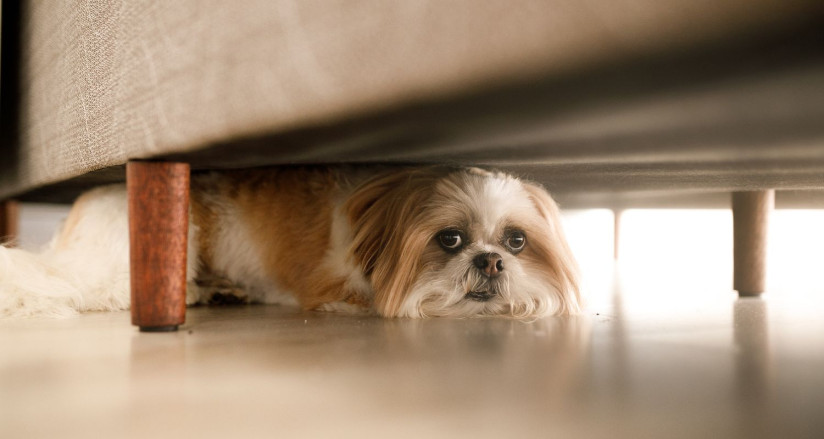
- Create a safe space - Set up a cozy den or crate where your dog can feel safe and secure. Introduce this space to them beforehand so they feel comfortable.
- Stay indoors - Never leave your dog outside during a hurricane.
- Keep calm and distract - Model calm behavior. Engage them with play, brushing, or by turning on a TV or radio at normal volume to drown out the storm’s noise. Classical music can be especially soothing.
- Close windows and curtains - Block out the noise and bright flashes of light by closing all windows and curtains.
- Secure exits - Ensure all doors leading outside are securely closed to prevent your dog from escaping in a panic.
- Prevent destruction - Remove objects your dog could chew or destroy if they become frightened.
- Toileting - Be prepared for accidents due to fear. Stay calm if it happens and avoid reprimanding your dog.
- Consult your vet - If your dog suffers from severe anxiety during storms, ask your vet about medication or other calming solutions.
- Consider reconditioning - If you live in an area prone to hurricanes, desensitize your dog to loud noises by playing recordings of storms or fireworks to reduce their anxiety over time.
After the Hurricane: Checking on Your Dog’s Safety and Behavior
When the hurricane passes, check on your dog’s safety and well-being. Monitor behavior and watch for any changes in behavior, as fear and anxiety can linger. Additional training or calming strategies may be necessary to help your dog feel safe again.
By following these tips and preparing ahead of time, you can reduce stress for both you and your dog, ensuring safety and comfort during and after a hurricane.
How In-Home Dog Training Can Help With Storm Anxiety
If your dog struggles with anxiety or behavior issues, whether during storms or in everyday life, Bark Busters can help. Our in-home dog training is tailored to your dog’s unique needs and environment, focusing on building trust, confidence, and calm behavior.
With our proven methods, we can help make stressful situations like hurricanes easier for both you and your dog. You don’t have to navigate it alone—your Bark Busters trainer is here to support you.
