

Resource Guarding in Dogs
What is Resource Guarding in Dogs?
Bark Busters Home Dog Training's Guide to Resource Guarding
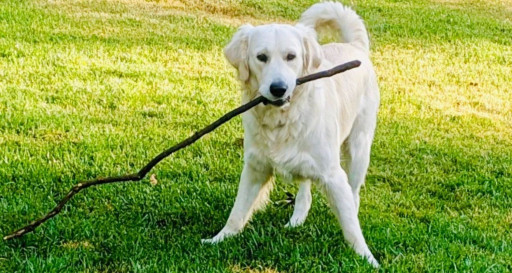
Resource guarding is a behavior in which a dog becomes protective of something they consider valuable. This may include food, treats, toys, bones, a bed, furniture, a favorite space, or even a person.
A dog who is resource guarding may growl, tense up, stare, bare their teeth, snap, or bite when someone approaches or attempts to take away something they value. While resource guarding can be natural canine behavior, it can become a serious concern when a dog feels threatened or believes that protecting the resource is necessary.
Resource guarding can develop for different reasons and may begin when a dog is young. Understanding what your dog is guarding, what happens immediately before the behavior, and your dog's history can help identify the best approach.
If your dog is showing signs of resource guarding, Bark Busters can help.
Understanding Resource Guarding in Dogs
What is a Resource?
Dogs can guard almost anything they consider valuable.
Common examples include:
- Food or treats
- Food or water bowls
- Toys, bones, or chews
- Items they find on the floor
- Beds, crates, furniture, or favorite resting places
- A particular area of the home
- A person's attention or affection
Resource guarding is not limited to food aggression. A dog may guard one particular object or several different resources, depending on what they find valuable.
Common Signs of Resource Guarding
A dog who is guarding a resource may:
- Become tense or stiff when approached
- Stare or watch a person closely
- Move away with the item
- Growl
- Bare their teeth
- Snap
- Lunge
- Bite when warning signs are ignored
These behaviors are important communication from the dog. A growl or other warning should not be punished or ignored, particularly when there is a risk of a bite.
Resource Guarding vs. Normal Dog Behavior
Not every dog who prefers to keep a toy or finish a meal is resource guarding.
The concern is when a dog becomes tense, defensive, or threatening because they believe someone may take away something valuable.
Resource guarding can escalate when the dog repeatedly learns that growling, snapping, or other behavior makes people back away.
Bark Busters recommends focusing on understanding what is driving the behavior rather than simply correcting the dog's reaction.
What Causes Resource Guarding in Dogs?
Insecurity and Fear
Resource guarding may develop when a dog is worried that something valuable will be taken away. From the dog's perspective, protecting the resource may feel necessary. Dogs may guard food, toys, resting places, or other things they consider important. The behavior can create stress for both the dog and the family.
History and Previous Experiences
Your dog's history can provide important clues. A puppy may learn that grabbing an item starts a chase or that growling causes a person to stop trying to take something away. Dogs who have experienced competition for food or resources may also develop guarding behaviors. Rescue dogs and stray dogs may have had experiences where they needed to protect food or other resources. These dogs may need time, patience, consistency, and help learning that the people in their new home can be trusted.
Lack of Structure and Consistency
Resource guarding can become more difficult when there are unclear expectations about what a dog can have and what they should leave alone. Bark Busters emphasizes structure, clear communication, consistency, and teaching dogs to focus on their owners rather than becoming fixated on an item.
Learned Behavior
Sometimes a behavior that begins innocently becomes reinforced over time.
"Resource guarding isn't about a dog trying to be dominant - it's just a dog who’s terrified of losing something they value. The key isn't forcing them to give it up, but helping them realize your presence always means safety, trust, and peace of mind."
— Jared Levenson, Bark Busters Behavioral Therapist, helping families resolve challenging dog behavior issues in San Mateo County.

Concerned About Your Dog’s Resource Guarding?
A Bark Busters trainer can help you understand why your dog guards food, toys, spaces, or other resources and develop practical strategies to create a safer, more peaceful home.
What To Do If Your Dog Is Resource Guarding
Do Not Force Your Dog to Give Up the Resource
If your dog is growling, snapping, or showing other signs of guarding, avoid reaching into their space or attempting to forcibly take the item. Instead, focus on preventing situations that could lead to a confrontation while you work with a professional to address the behavior. Prevention is especially important when there is a risk of a bite.
Avoid Chasing Your Dog
Chasing a dog who has picked up an unwanted object can turn the situation into a game and may increase excitement or reactivity. Instead, teach your dog that responding to you can lead to something positive.
Teach Your Dog to Drop an Item
One approach is to practice “DROP” by exchanging a lower-value toy for a higher-value toy and praising your dog when they release the first toy. The goal is to teach your dog that giving something up does not mean losing everything they value.
Create Clear Rules Around Food and Toys
For dogs who guard food or toys, management is an important part of the solution. Your dog should have predictable routines around meals and access to toys. Removing opportunities for your dog to repeatedly practice guarding can help while you teach new behaviors.
Build Trust Through Calm, Consistent Leadership
Resource guarding is often connected to a dog's confidence and trust in the people around them. Calm, consistent communication can help your dog understand what is expected and feel more secure. Bark Busters focuses on helping families establish clear communication and boundaries so dogs can learn to look to their owners for guidance.
How to Stop Resource Guarding
There is no single solution for every case of resource guarding. The appropriate approach depends on what your dog is guarding, how the behavior developed, the dog's history, and how severe the behavior has become.
Training may focus on:
- Identifying what triggers your dog's resource guarding
- Preventing situations that could lead to a confrontation
- Teaching your dog to focus on you
- Teaching “DROP IT” and “LEAVE IT”
- Establishing predictable household rules
- Building trust and confidence
- Improving communication between you and your dog
- Helping your dog respond calmly when people approach valued items
If your dog has snapped or bitten, or if you are concerned that someone could be injured, seek professional help rather than attempting to resolve the behavior by yourself.
How Bark Busters Helps With Resource Guarding
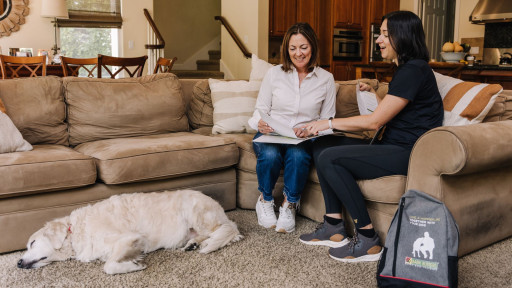
Resource guarding can be stressful for the entire family, particularly when a dog guards food, toys, furniture, or other items that people need to interact with regularly.
Bark Busters trainers come to your home to observe your dog's behavior where it actually happens. This allows the trainer to understand your dog's environment, identify triggers, and coach you through practical strategies that fit your family's daily routine.
During an in-home behavior session, a Bark Busters trainer can help you:
- Identify situations that trigger resource guarding
- Understand what may be contributing to the behavior
- Learn how to respond safely when your dog guards an item
- Establish clear and consistent household rules
- Improve your dog's focus and response to you
- Develop strategies for managing food, toys, and other valued resources
- Create a calmer and more predictable home environment
Bark Busters has experience helping families with resource guarding, food aggression, toy guarding, possessive behavior, and other challenging forms of dog aggression.
If your dog is guarding food, toys, furniture, people, or other resources, contact your local Bark Busters trainer to learn how personalized in-home dog training can help.


Dogs That May Show Resource Guarding
Resource guarding can occur in any dog, regardless of breed, age, or background.
Some dogs may be more likely to display particular forms of possessive or repetitive behavior, but breed alone does not determine whether a dog will resource guard. A dog's individual history, environment, experiences, and learned behaviors all matter.
The most important factor is understanding the individual dog and the situations that trigger the behavior. If your dog repeatedly guards food, toys, space, or people, professional dog training can help you identify potential triggers and develop strategies for safer, more appropriate behavior.
Frequently Asked Questions About Resource Guarding in Dogs
A dog may growl around food because they are worried that someone will take it away. Growling is a warning that the dog is uncomfortable with the situation. Rather than punishing the growl, it is important to address the underlying behavior and prevent situations from escalating.
Food aggression is one form of resource guarding. A dog may guard food, treats, bowls, toys, furniture, resting spaces, objects, or even a person's attention.
Yes. Resource guarding can become more serious if the dog repeatedly learns that aggressive behavior makes people move away or give up the resource. Early intervention, management, and consistent training can help prevent the behavior from escalating.
If your dog is actively guarding an item, forcing them to give it up can create a dangerous confrontation. Instead, manage access to resources and work on appropriate “DROP IT” and “LEAVE IT” exercises with professional guidance when needed.
Yes. Resource guarding can often be addressed through individualized behavior training that focuses on identifying triggers, improving communication, teaching appropriate responses, and helping the dog feel more secure. Bark Busters provides personalized in-home training for resource guarding and other challenging behavior issues.
Yes. A dog who is resource guarding may escalate from tension or growling to snapping or biting, particularly if warning signs are ignored or the dog feels threatened. If your dog has bitten or you believe someone may be at risk, seek professional help and use management strategies to prevent another incident
Other Challenges in Dogs That Are Resource Guarding
Resource guarding can be one of several behavior challenges a dog may experience. Explore these related training guides to learn more about other common issues and how Bark Busters can help.
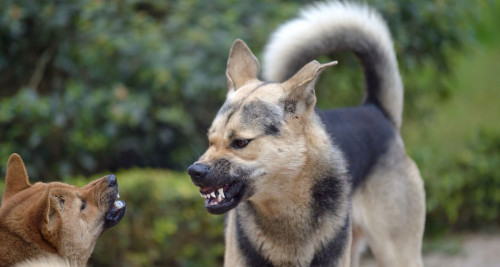
Dog Aggression Training
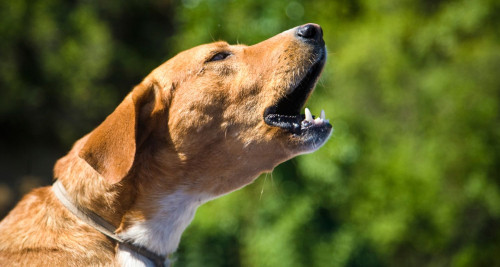
Dog Barking Training

Compulsive Behavior in Dogs
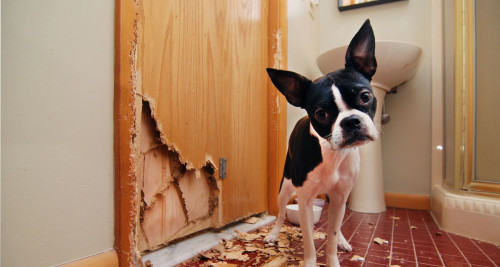
Dog Separation Anxiety Training
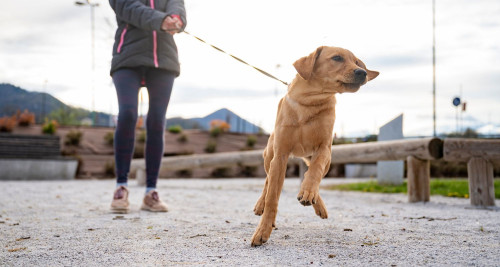
Reactivity
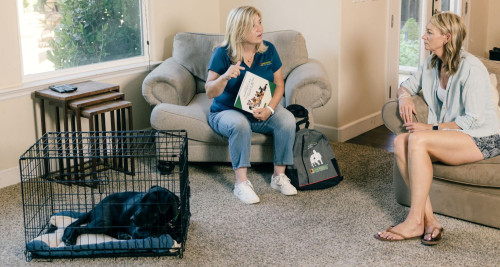
Crate Training for Dogs & Puppies
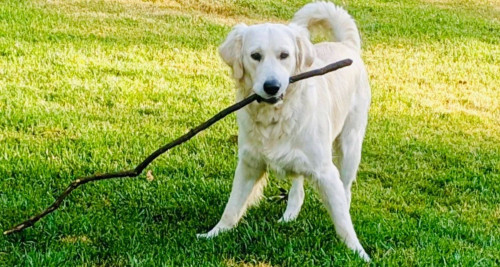
Resource Guarding
Get Help for Your Dog’s Resource Guarding
Resource guarding is a common reason dog owners contact Bark Busters. Whether your dog guards food, toys, furniture, or other items, this behavior can be stressful and concerning for the whole family.
Bark Busters can help you understand what may be contributing to your dog’s resource guarding and provide practical strategies to manage and improve the behavior.
Confirm your ZIP code and complete a short form to get started. We’ll contact you within 24 hours to discuss a personalized in-home training plan for your dog.
- 99.7% 4 or 5 stars 99.7% rate their experience with Bark Busters as 4 or 5 out of 5 stars.
- 99.6% Would Recommend 99.6% would recommend Bark Busters to their friends and neighbors.
- 99.5% Dog Responded 99.5% think their dog responded well to the training.