

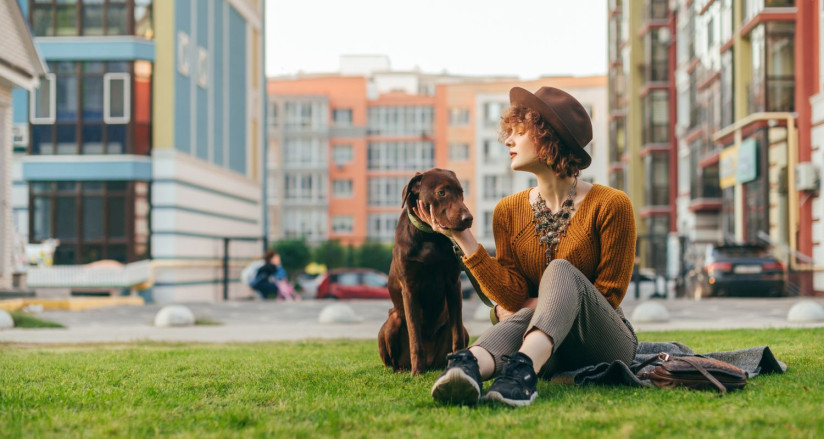
Summary: Keep the peace with your dog in apartment and urban environments by managing behavior at home and in public. Learn safety, etiquette, and effective training strategies.
Bark Buster’s Key Points:
- A well-trained dog in apartment settings reduces stress for you and your neighbors
- Consistent routines and clear boundaries improve behavior indoors and in shared spaces
- Early exposure to urban environments helps dogs stay calm and confident
- Managing barking and stimulation is essential for apartment living with a dog
- Professional guidance can accelerate results and prevent long-term issues
Urban Dog Etiquette: Living Peacefully in Multi-Unit Residences
Dogs bring companionship and stability, even in our incredibly busy lives and environments, but living in an apartment with a dog requires awareness, consistency, and respect for shared spaces. When you live close to others, small behaviors can quickly become big problems if left unaddressed. With the right structure, dogs and apartments can coexist smoothly.
At Home
Understand Rules and Prepare Your Space
Start by understanding your building’s expectations. Check with your apartment manager or landlord for rules and regulations about dogs so you can stay compliant and avoid unnecessary issues.
Before settling in, identify and address potential safety hazards inside your unit and throughout the complex. This step becomes especially important for apartment training a dog, where tight spaces and shared areas require more control and awareness.
Set the Tone with Neighbors and Environment
Introduce yourself and your dog to nearby neighbors early. This simple step builds trust and sets a positive tone, especially in environments where dogs in the city interact closely with others.
Help your dog adjust to common urban experiences. Expose them gradually to elevators, stairwells, hallway traffic, and everyday noise. A confident urban living dog is less likely to react with anxiety or excessive barking.
Navigate Shared Spaces Safely
Practice good elevator etiquette. Always ask before entering with your dog and wait for the next ride if another dog is already inside. In stairwells and hallways, position yourself between your dog and others to maintain control and create space.
Take extra care on stairs. Move at a controlled pace and train your dog to stay by your side. Pause when needed to let others pass safely.
Build Calm Behaviors Indoors
Mental stimulation matters just as much as physical exercise. Keep your dog engaged indoors with structured activities and interactive toys that reward calm, focused behavior.
Avoid leaving your dog unattended or locked on a balcony. This can lead to safety risks and unwanted barking, which often creates tension in dogs and apartment settings.
Crate training provides your dog with a safe, secure space to relax. When introduced properly, a crate helps your dog settle and reduces stress, especially in busy environments.
Prevent and Address Problem Behaviors Early
If barking becomes an issue, address it early. Ongoing noise is one of the most common concerns in apartment living with a dog, and it rarely improves without guidance. A Bark Busters trainer can help you identify the cause and create a clear, effective plan.
In Public
1. Maintain Control and Leash Safety
Always keep your dog on a standard leash or under reliable voice control. Avoid retractable leashes, which reduce your ability to manage distance and safety.
2. Supervise Interactions with Children
Stay attentive around children. Children face a higher risk of dog bites, especially when interactions are unsupervised. Guide all interactions calmly and clearly.
3. Practice Responsible Public Cleanliness
Clean up after your dog every time. Carry waste bags and dispose of them properly to maintain a clean, respectful environment.
4. Avoid High-Risk Situations
Avoid escalators entirely. They pose a serious risk to your dog’s paws and safety.
5. Respect Boundaries in Social Situations
Only bring your dog to gatherings when explicitly invited. Not every setting is appropriate, and respecting boundaries helps maintain positive relationships.
6. Make Informed Choices About Dog Parks
Be cautious in dog parks. While they can offer exercise, they also introduce unpredictable interactions. If you’re unsure, consult a professional or explore structured alternatives like dog walkers or supervised play environments.
7. Guide Calm and Controlled Greetings
Supervise all greetings. Not everyone feels comfortable around dogs, and not every dog enjoys interaction. Let your dog approach others at their own pace, rather than allowing strangers to approach directly.
Create a Calm, Confident Life for You and Your Dog in Any Environment
Living with a dog in apartment environments or raising dogs in the city takes intention and consistency. With the right structure, your dog can remain calm, responsive, and confident, no matter how busy your surroundings feel.
Bark Busters helps you succeed with apartment living with a dog through personalized, in-home training tailored to your dog’s behavior and your daily routine. Using proven, natural methods, your trainer works with you in your home to address challenges like barking, reactivity, and anxiety where they actually happen.
With the Bark Busters Lifetime Support Guarantee, you gain ongoing guidance and peace of mind, so you’re never left handling new challenges on your own.
Take the next step toward a calmer home and a more confident dog. Connect with a Bark Busters trainer today and experience the difference personalized training can make.
