

Leash Pulling in Dogs
What Is Leash Pulling in Dogs?
Bark Busters Home Dog Training's Guide to Leash Pulling
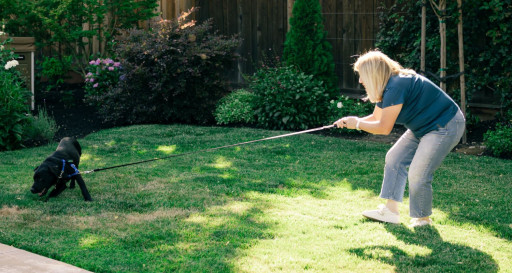
Leash pulling occurs when a dog moves ahead of the person walking them and creates tension on the leash. What should be an enjoyable walk can quickly become frustrating, uncomfortable, or even unsafe when your dog constantly pulls, lunges toward distractions, or struggles to walk calmly by your side.
Dogs pull for several reasons, including excitement, curiosity, instinct, and learned habits. Some dogs have never been taught how to walk on a loose leash, while others have learned that pulling gets them where they want to go.
The good news is that leash pulling can often be improved with consistent training, clear communication, and practice. Bark Busters helps dog owners understand what is driving the behavior and teaches practical techniques to make walks more relaxed and enjoyable.
Understanding Leash Pulling in Dogs
Why Do Dogs Pull on the Leash?
Leash pulling is a common behavior in dogs, especially when they are excited to explore their surroundings. Walking on a leash does not always come naturally, and dogs may need guidance to learn how to walk calmly alongside their owners.
The sights, sounds, and smells of the outdoors can be distracting, and dogs may pull toward something they want to investigate. When pulling gets them closer to an interesting person, dog, or scent, they may learn that pulling is an effective way to get what they want.
Common Reasons Dogs Pull on the Leash
Common reasons for leash pulling in dogs include:
- Excitement and curiosity about people, other dogs, or interesting smells
- Learned behavior when pulling allows the dog to move forward
- Limited leash training or difficulty understanding leash guidance
- Distractions from wildlife, people, other dogs, and unfamiliar environments
- Unmet physical exercise, mental stimulation, or enrichment needs
- Inconsistent expectations and communication during walks
Normal Dog Behavior vs. Leash Pulling
Dogs naturally want to explore their environment, investigate new scents, and move toward things that interest them. Some pulling can occur when dogs become excited, particularly in unfamiliar places or around distractions.
However, persistent pulling that makes walks difficult to manage may indicate that a dog needs help learning better leash manners. If pulling repeatedly allows the dog to reach something desirable, the behavior can become a habit.
Teaching loose-leash walking helps dogs learn to move with their owners rather than constantly pulling against the leash. The goal is to build clear communication and make walks more comfortable and enjoyable for both dog and owner.
What Causes Leash Pulling in Dogs?
Excitement and Curiosity
Dogs are naturally curious and may pull toward interesting smells, people, other dogs, or new environments. When something catches their attention, they may become eager to move forward before checking in with the person holding the leash.
Learned Behavior
Leash pulling can become a habit when a dog learns that pulling gets them where they want to go. If moving toward an interesting scent, person, or another dog follows pulling, the behavior may be reinforced over time. Consistent training helps dogs learn that walking calmly on a loose leash, rather than pulling, is the way to move forward.
The Opposition Reflex
Some dogs instinctively lean or pull against pressure, a response often called the opposition reflex. When a leash tightens and pulls backward, a dog may respond by leaning forward and pulling harder instead of releasing the tension.
This can create a cycle in which the dog pulls, the leash tightens, and the dog pulls even more. Teaching your dog to respond to clear communication rather than resist leash pressure can help break this pattern.
Lack of Leash Training
Walking calmly on a leash is a learned skill. Dogs that have not been taught loose-leash walking may not understand where to walk, how to respond to guidance, or what to do when they encounter distractions. Consistent practice in a quiet environment can help establish expectations before gradually introducing more challenging surroundings.
Distractions and Reactivity
People, wildlife, other dogs, and unfamiliar environments can make it difficult for some dogs to focus on their handler. Some dogs pull out of excitement, while others may lunge or strain against the leash because they feel frustrated, fearful, or threatened. Understanding what triggers your dog's pulling is an important step in choosing an appropriate training approach.
Inconsistent Communication
When expectations change from one walk to the next, dogs may have difficulty understanding what their owners want. For example, allowing a dog to pull toward certain distractions while discouraging pulling at other times can make loose-leash walking harder to learn. Clear expectations, consistent guidance, and regular practice help dogs understand how to walk comfortably alongside their owners.
Struggling with Your Dog's Leash Pulling?
A Bark Busters trainer can help you understand why your dog pulls and develop practical training strategies to make walks calmer and more enjoyable.
What to Do if Your Dog is Leash Pulling
Teaching your dog to walk calmly beside you takes consistency and patience. The following tips can help you begin building better walking habits.
Start With Short, Focused Walks
When working on leash pulling, your first goal should be communication, not distance. Choose a quiet, familiar area with fewer distractions. Begin with just a few steps at a time, helping your dog learn to pay attention to your movement and direction. As your dog becomes more consistent, gradually introduce longer walks and more distracting environments.
Teach Your Dog to Walk on a Loose Leash
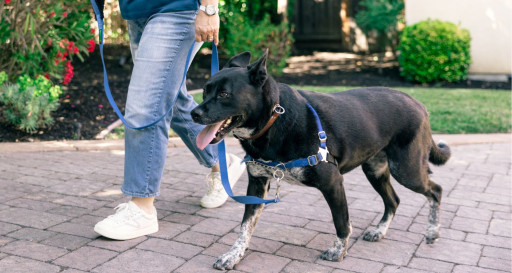
A loose leash gives you and your dog room to move comfortably without constant tension. Keep the leash relaxed and encourage your dog to walk alongside you or slightly behind you. If your dog starts pulling ahead, stop moving forward and calmly regain your dog's attention before continuing. Avoid allowing your dog to pull continuously toward something they want to investigate. Instead, practice returning to a comfortable walking position and rewarding calm movement.
Be Consistent
Dogs learn from what happens immediately after their behavior. If pulling sometimes works and sometimes doesn't, it can be harder for your dog to learn a consistent walking routine. When your dog begins pulling, pause and calmly redirect their attention. Resume walking when the leash relaxes and your dog is ready to move with you. Keep your responses predictable. Consistency across family members and daily walks helps your dog understand what is expected.
Reward the Right Behavior
Praise your dog when they walk calmly beside you, respond to your direction, or check in with you instead of rushing toward a distraction. Rewarding the behavior you want helps your dog understand which choices lead to a positive outcome. Timing matters. Offer praise or an appropriate reward as soon as your dog demonstrates the walking behavior you want to encourage.
Practice Changes in Direction
Walking in a straight line can allow a dog to become focused on what lies ahead. Gentle changes in direction can encourage your dog to pay attention to where you are going. Practice in a safe, open area. Change direction before the leash becomes tight, and encourage your dog to follow your movement. Keep the exercise calm and controlled. The goal is to improve communication and attention, not to surprise or frighten your dog.
Choose the Right Leash and Equipment
The equipment you use can affect your ability to guide your dog safely. Bark Busters recommends a standard six-foot cotton leash. Choose a collar or harness that fits your dog properly and is appropriate for their size, behavior, and training needs. If your dog pulls forcefully, lunges, or is difficult to control, ask a qualified trainer for guidance on suitable equipment and safe handling techniques.
Keep Walks Positive and Manageable
A successful walk isn't measured by how far you go. If your dog becomes overly excited or distracted, return to a quieter area and practice the basics. Consider your dog's age, physical condition, breed, and individual exercise needs when deciding how long to walk. With practice, your dog can learn that walking together is both enjoyable and rewarding.
How to Stop Leash Pulling in Dogs
There is no one-size-fits-all solution for leash pulling because dogs may pull for different reasons, including excitement, curiosity, learned habits, or reactivity. The first step is to understand what triggers the pulling and how your dog responds to leash pressure and distractions. Consistent training can then help improve communication, establish clear expectations, and teach your dog to walk calmly on a loose leash.
How Bark Busters Helps with Leash Pulling
Leash pulling can make everyday walks stressful for both dogs and their families.
Whether your dog pulls from excitement, struggles to focus, or has developed years of inconsistent leash habits, personalized training can help you build better walking routines.
Bark Busters trainers work with you and your dog in your home and everyday environment. Rather than relying on a one-size-fits-all approach, your trainer can observe your dog's behavior, identify challenges, and teach you practical techniques to improve communication and leash manners. During an in-home training session, your Bark Busters trainer can help you:
- Understand why your dog pulls on the leash.
- Establish clear and consistent expectations for walks.
- Teach loose-leash walking and improved attention.
- Help your dog respond to changes in direction.
- Address excitement and distractions during walks.
- Develop strategies for walking safely around people and other dogs.
- Build skills you can practice and reinforce during everyday outings.
Bark Busters uses communication-based training techniques tailored to the dog, the family, and the behavior being addressed. The goal is to help you enjoy calmer walks and a happier life together with your dog.
Ready to enjoy walks without the constant pulling? Contact your local Bark Busters trainer to learn how personalized in-home dog training can help.


Frequently Asked Questions About Leash Pulling
Start by practicing in a quiet area with few distractions. Keep the leash loose, reward your dog for walking alongside you, and pause or calmly redirect your dog when pulling begins. Consistent practice helps your dog learn that walking calmly is the way to move forward. If pulling persists, a professional trainer can help identify the cause and develop an individualized training plan.
Dogs may pull because they are excited, want to investigate their surroundings, have learned that pulling gets them where they want to go, or struggle to focus on their handler. Some dogs also pull because they are frustrated or reacting to people or other animals. Understanding the reason for the pulling helps determine the most effective training approach.
Pausing when your dog pulls can help teach that a tight leash does not move the walk forward. Wait for your dog to release the tension and reconnect with you before continuing. Apply the technique consistently, and avoid jerking the leash or dragging your dog back into position.
Dogs may instinctively lean or pull against leash pressure, a response often called the opposition reflex. Pulling can also become a learned habit when it helps a dog move toward something they want. Teaching loose-leash walking and rewarding calm movement can help break this cycle.
Retractable leashes are generally not recommended for dogs that pull. They allow dogs to move farther ahead and can make it harder to maintain control around distractions. A standard six-foot leash is Bark Busters' recommended option for everyday walking.
Yes. Dogs of different ages can learn improved leash manners. Training should take into account the dog's previous experiences, physical condition, and individual needs. Older dogs may benefit from shorter practice sessions, and any signs of pain or difficulty walking should be discussed with a veterinarian.
Yes. A professional dog trainer can assess why your dog pulls, help you improve communication, and teach practical loose-leash walking techniques. Bark Busters offers personalized in-home dog training to help families address leash pulling and other behavior challenges.
Other Behavior Challenges That May Accompany Leash Pulling
Leash pulling can occur alongside other behavior challenges, including leash reactivity, excessive excitement, and difficulty focusing around distractions. Explore these related training guides to learn more about common dog behavior issues and how Bark Busters can help.
Get Help with Your Dog’s Leash Pulling
Leash pulling is a common reason dog owners contact Bark Busters. Walks can become frustrating when your dog constantly pulls, making it difficult to enjoy time together.
Bark Busters can help you understand what’s driving your dog’s behavior and teach you how to make walks calmer and more enjoyable.
Confirm your ZIP code and complete a short form to get started. We’ll contact you within 24 hours to discuss a personalized in-home training plan for your dog.
