

Nipping & Biting
What Is Nipping and Biting in Dogs?
Bark Busters Home Dog Training's Guide to Nipping and Biting
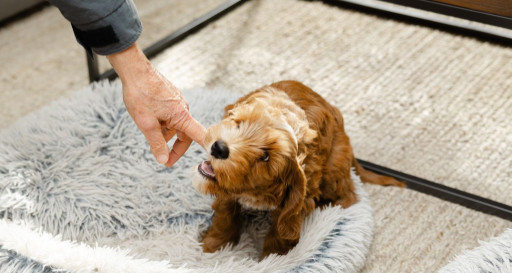
Dogs use their mouths to explore, play, communicate, and interact with the world around them. Mouthing, chewing, and gentle nipping can be normal behaviors throughout a dog's life, although the reasons for them may change with age and circumstances.
The important distinction is between normal mouth-related behavior and biting that is intense, escalating, causes injury, or occurs in response to fear, frustration, guarding, or pain. Understanding the context in which biting occurs can help you determine what your dog is communicating and how to respond.
Understanding Nipping and Biting in Dogs
What Is Nipping and Biting in Dogs?
Not every dog uses its mouth in the same way. Puppies may mouth hands as they explore and learn through play. Adolescent dogs may nip when excited, while adult dogs may use their mouths during play or in situations involving stress or discomfort.
Chewing is also a normal behavior. It can provide mental stimulation, help relieve boredom, and offer an outlet for natural chewing needs. The goal is not to eliminate appropriate chewing or all mouth-related behavior, but to teach your dog what is acceptable and when to use other ways to interact.
However, normal mouthing and concerning biting are not interchangeable. A dog's age, body language, environment, history, and the circumstances surrounding the behavior all matter.
Common Signs of Nipping and Biting
Mouth-related behaviors can appear in many forms, including:
- Mouthing hands or fingers during play or interaction
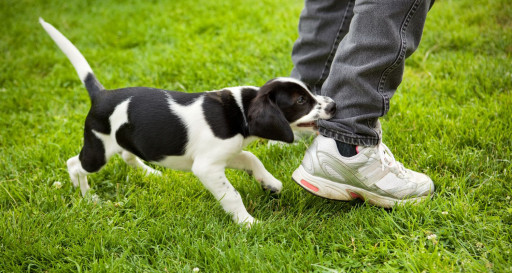
- Gently grabbing clothing or sleeves
- Nipping at feet or ankles when excited
- Using the mouth during play with familiar people or dogs
- Chewing furniture, shoes, or other household objects
- Grabbing or mouthing objects to seek attention
- Snapping, lunging, or biting when frightened, startled, or uncomfortable
- Biting when someone approaches food, toys, resting areas, or other valued resources
- Biting that becomes increasingly intense or difficult to interrupt
The behavior itself is only part of the picture. What happens immediately before, during, and after a bite can help explain its cause.
Normal Mouthing vs. Concerning Biting
When Mouthing Is Normal
Mouthing is often a normal part of play, exploration, and communication, especially for puppies. Even when it's natural, dogs still need to learn that human skin and clothing are not appropriate things to mouth.
When Biting Is a Concern
Biting may require attention when it causes injury, becomes more intense, or happens repeatedly in situations involving fear, guarding, or handling. If the behavior develops suddenly, becomes difficult to manage, or causes puncture wounds or other injuries, consult your veterinarian to rule out a medical cause and consider professional training to address the behavior safely.
What Causes Nipping & Biting in Dogs?
Play and Excitement
Some dogs become mouthy when play gets energetic. Moving hands, running feet, and rough interactions can encourage grabbing or nipping. Without consistent boundaries, a dog may continue a behavior that has repeatedly resulted in attention or more play.
Exploration and Chewing
Dogs explore objects and their surroundings with their mouths. Puppies may be especially mouthy, but dogs of all ages can chew when seeking stimulation or satisfying a natural need. Appropriate toys and consistent redirection help establish what is acceptable.
Fear or Discomfort
A dog may snap or bite when feeling threatened, trapped, startled, or uncomfortable. Handling, unfamiliar people, or unwanted interactions may trigger a defensive response.
Teething discomfort can also increase chewing and mouthing, particularly in puppies, as they seek relief from sore, irritated gums. During this stage, puppies may be more likely to nip at hands, clothing, or objects within reach.
Guarding Valued Resources
Some dogs react when people or other animals approach food, toys, resting places, or other valued resources. Warning signals and biting in these situations should be taken seriously. Avoid deliberately taking items away or testing your dog's tolerance.
Frustration or Overstimulation
Excitement, frustration, and an inability to settle can contribute to nipping or grabbing. Some dogs become more mouthy as activity continues, while others react when they cannot access something they want.
Pain or Medical Issues
A dog that suddenly begins biting during handling or reacts differently than usual may be experiencing pain or an underlying medical issue. A veterinary assessment is especially important when behavior changes unexpectedly.
Concerned About Your Dog’s Nipping and Biting?
A Bark Busters trainer can help you understand what’s causing your dog to nip or bite and develop practical strategies to encourage safer, more appropriate behavior.
What to Do if Your Dog is Nipping and Biting
The right response depends on what your dog is doing and why. Normal mouthing, inappropriate play, and biting associated with fear or guarding should not all be handled in the same way.
Redirect Appropriate Chewing
Don't try to eliminate normal chewing. Instead, provide safe, appropriately sized chew toys and guide your dog toward acceptable alternatives when chewing household items. Supervise your dog with new toys and remove items that become damaged or unsafe.
Set Clear Boundaries During Play
Avoid encouraging your dog to grab hands, feet, or clothing during play. If mouthing becomes uncomfortable or unwanted, calmly interrupt the interaction and give your dog an opportunity to settle. Consistent responses help dogs learn what is expected.
Pay Attention to Triggers
Notice when the behavior occurs and what happens immediately beforehand. Consider whether your dog is playing, excited, tired, frightened, guarding something, or reacting to being touched. Understanding the circumstances is more useful than responding to every bite in exactly the same way.
Avoid Escalating the Situation
Yelling, physical punishment, cornering a dog, or forcibly removing a valued item can increase fear or frustration and may make biting more likely. If your dog appears uncomfortable, create distance and avoid forcing an interaction.
Manage Situations That Could Lead to Biting
If your dog has bitten or may bite, prioritize safety. Use distance, barriers, and careful supervision to prevent situations in which someone could be injured. Do not allow children to approach a dog that is guarding, distressed, or difficult to manage safely.
Seek Professional Guidance When Needed
If biting is repeated, escalating, causes injury, or seems connected to fear or guarding, seek help from a qualified professional who can assess the behavior and recommend an appropriate plan. Consult your veterinarian when pain or a medical cause is possible.
For more information about addressing common puppy mouthing and chewing behaviors, see our puppy advice resources and Puppy Training.
How to Stop Nipping and Biting
There is no single solution for nipping and biting in dogs because these behaviors can stem from different causes, including puppy teething, play, excitement, fear, frustration, or herding instincts. The first step is to identify when the behavior occurs, what triggers it, and whether it is related to play, communication, or a response to stress. Training can then help families improve communication, establish clear boundaries, adjust routines, and teach appropriate alternative behaviors to reduce unwanted nipping and biting.
Warning Signs to Watch for to Help Prevent Dog Bites and Injuries
Recognizing early warning signs can help prevent bites and keep people and dogs safe. Watch for behaviors that may indicate your dog is uncomfortable, fearful, stressed, or protective of something. Pay attention if your dog:
- Snaps or bites when approached, touched, or moved
- Guards food, toys, resting places, or other valued items
- Reacts aggressively when startled or cornered
- Shows a sudden change in tolerance for handling
- Bites during situations that previously seemed comfortable
- Leaves marks, punctures skin, or causes other injuries
- Becomes increasingly difficult to interrupt or manage safely
These signs do not automatically mean a dog will bite, but they can indicate discomfort that deserves attention. Avoid forcing interactions or punishing warning signals. If the behavior appears suddenly, consult your veterinarian to rule out pain or other medical causes. A professional dog trainer can also help you recognize triggers and develop strategies to reduce bite risk.
How Bark Busters Helps with Nipping and Biting
Understanding why a dog mouths, nips, or bites is an important step toward changing unwanted behavior. The approach should reflect the individual dog, the circumstances, and the level of risk involved. Bark Busters provides personalized, in-home dog training to help owners better understand their dogs' behavior and establish clear, consistent communication. Your local Bark Busters trainer can help you:
- Identify situations that contribute to unwanted mouthing or nipping.
- Establish consistent boundaries for play and everyday interactions.
- Redirect inappropriate chewing toward suitable alternatives.
- Recognize patterns that may contribute to unwanted behavior.
- Develop practical strategies for managing behavior in the home.
- Build a stronger relationship with your dog through clearer communication.
For concerning biting, the first priority is safety and an appropriate assessment. A trainer can help determine suitable next steps and whether veterinary or specialized behavior support is also needed. Contact your local Bark Busters trainer for guidance and support.


Frequently Asked Questions About Nipping and Biting
Yes. Teething can cause sore, irritated gums, leading puppies to chew and mouth objects for relief. They may also nip at hands or clothing more frequently during this stage. Providing appropriate chew toys and redirecting mouthing toward safe items can help manage the behavior while your puppy's adult teeth come in.
Mouthing can be a normal part of play, exploration, and communication in dogs of different ages. Puppies often mouth as they learn about their surroundings, while adult dogs may mouth gently during play or familiar interactions. However, context matters, and mouthing that is forceful, escalating, or unwanted should be addressed.
Mouthing generally involves using the mouth to explore, play, or interact, often without an intent to injure. Concerning biting may involve greater force, injury, defensive reactions, or repeated behavior in response to specific triggers. The distinction is not always obvious, so body language and circumstances are important.
Adult dogs may nip during excitement, play, frustration, or attempts to get attention. Some may also react because they feel uncomfortable or threatened. Observe when the behavior happens, avoid encouraging unwanted mouthing, and seek professional guidance if it persists or becomes difficult to manage.
No. Chewing is a normal behavior for dogs and can provide stimulation and an outlet for natural needs. The goal is to teach your dog what is appropriate to chew and redirect chewing away from unsafe or unwanted objects.
Not necessarily. A bite is a behavior, not a complete explanation of a dog's temperament or motivation. Biting may occur in response to fear, pain, guarding, frustration, or other circumstances. Repeated, escalating, or injurious biting deserves professional assessment.
Training can help address many behaviors involving mouthing, nipping, and inappropriate play by establishing clearer boundaries and teaching alternative behaviors. When biting is associated with fear, guarding, pain, or injury, an individualized assessment and appropriate safety measures are essential. Veterinary care or specialized behavior support may also be needed.
Other Behavior Challenges That May Accompany Nipping and Biting
Nipping and biting can occur alongside other behavior challenges, including jumping, excessive excitement, fear, and resource guarding. Explore these related training guides to learn more about common dog behavior issues and how Bark Busters can help.
Get Help for Your Dog’s Nipping and Biting
Nipping and biting are common reasons owners contact Bark Busters. These behaviors can be frustrating or concerning, but they often have an underlying cause, such as teething, excitement, fear, or frustration.
Bark Busters can help you understand what may be triggering your dog’s nipping and biting and develop practical strategies to encourage safer, more appropriate behavior.
Enter your ZIP code and complete a short form to get started. We’ll contact you within 24 hours to discuss a personalized in-home training plan for your dog.
- 99.7% 4 or 5 stars 99.7% rate their experience with Bark Busters as 4 or 5 out of 5 stars.
- 99.6% Would Recommend 99.6% would recommend Bark Busters to their friends and neighbors.
- 99.5% Dog Responded 99.5% think their dog responded well to the training.