

Sibling Rivalry in a Multi-Dog Household
What is Sibling Rivalry in Dogs?
Bark Busters Home Training's Guide to Dog Sibling Rivalry and Multi-Dog Households

Sibling rivalry in dogs occurs when dogs living in the same home compete, become tense with one another, or repeatedly fight.
What may begin as growling, guarding a toy, or competing for attention can sometimes escalate into serious dog fights.
Dogs that live together do not always get along automatically.
Changes in their relationship, competition over food or toys, attention from family members, household routines, or a lack of clear communication and structure can all contribute to conflict.
If your dogs are fighting, snapping at each other, or constantly competing, understanding why your dogs are fighting is an important first step toward creating a calmer, safer home.
Understanding Sibling Rivalry in Dogs
What Is Sibling Rivalry in Dogs?
Sibling rivalry in dogs occurs when dogs living in the same household experience tension or conflict with one another. These disagreements may develop around valued resources, such as food, toys, beds, or their owner's attention, or in response to specific situations.
In some households, dogs learn that competing with each other gets them what they want, allowing conflict to become an ongoing pattern. When dogs don't consistently respond to their owner's guidance, they may begin making their own decisions about who gets access to resources, which can increase tension and lead to fighting.
Sibling rivalry doesn't always look the same. Your dogs may get along well most of the time but fight in certain situations or around specific triggers. Observing when, where, and why conflicts occur can help you identify patterns and better understand what's contributing to the tension between your dogs.
Common Signs of Sibling Rivalry Between Dogs
Dog sibling rivalry does not always begin with a full fight. Watch for changes in body language and interactions between your dogs, including:
- Growling or snapping
- Staring or becoming tense around the other dog
- Blocking access to a person, toy, food, or resting area
- Guarding toys, food, beds, or other resources
- Repeatedly challenging or provoking the other dog
- Avoiding or withdrawing from the other dog
- Becoming tense when both dogs approach the same person
- Fighting during meals or play
- Sudden changes in how the dogs interact
- Escalating disagreements that are becoming more frequent or intense
Early intervention can help prevent occasional disagreements from becoming an established pattern.
Normal Dog Interactions vs. Sibling Rivalry
Dogs living in the same household may occasionally disagree, compete for attention, or become excited around toys and other resources. Not every disagreement is a sign of sibling rivalry. However, repeated tension, growling, snapping, guarding, or fighting may indicate an ongoing conflict between your dogs.
Sibling rivalry may require attention when disagreements become more frequent or intense, one dog repeatedly guards food, toys, beds, or people, or either dog begins avoiding the other.
If your dogs suddenly begin fighting or their behavior changes unexpectedly, consult your veterinarian to rule out pain or other medical concerns. Consider working with a professional dog trainer if conflicts are escalating, your dogs are difficult to redirect, or tension is affecting their ability to coexist safely.
What Causes Dogs in the Same Household to Fight?
Competition for Resources
Dogs may compete over things they consider valuable, including food, treats, toys, beds, favorite places, or access to their owners. If one dog repeatedly takes something from another dog, conflict can develop quickly. Pay attention to what happens immediately before a fight. If disagreements consistently occur around dinner, toys, or a particular area of the home, that pattern can provide an important clue.
Competition for Attention
Your dogs may also compete for your attention. A dog that repeatedly demands to be petted, brings you toys, or pushes between you and another dog may be creating tension without an owner realizing it. When one dog consistently receives attention or special treatment, the other dog may begin to compete for access to that attention.
Perceived Favoritism
Many families naturally have a dog they feel especially protective of. Maybe one dog was rescued from a difficult situation, is timid or fearful, is smaller, or simply seeks more affection. That affection is understandable, but dogs can respond to differences in how people interact with them. If one dog regularly receives special privileges, attention, or protection, it can contribute to competition within the household. Creating consistency and fairness for all of your dogs can help reduce this source of tension.
Changes in the Household
Sibling rivalry can appear or become worse after a significant change. For example, conflict may begin after:
- One dog spends time away at the groomer or veterinarian
- One dog returns from a walk
- A family member moves out and later returns with a dog
- A new dog joins the household
- Household routines change
- A new person or pet joins the family
Sometimes the owners are surprised because the dogs seemed to get along perfectly before the change.
Age and Maturity
The relationship between dogs can change as they grow and mature. A puppy may interact differently with an older dog as it becomes an adolescent or adult. Changes in energy, confidence, communication, and expectations can alter the way two dogs relate to each other. A relationship that worked well when both dogs were younger may require new structure and training as they mature.
Stress and Anxiety
Stress can make dogs less tolerant of one another. Changes in routine, unfamiliar situations, household activity, or ongoing tension between dogs can make disagreements more likely. Learning to recognize what causes your dogs to become excited, frustrated, or uncomfortable can help you prevent situations from escalating.
Medical Problems
Pain or illness can also affect a dog's behavior. A dog that suddenly becomes irritable or begins fighting with a housemate should be evaluated by a veterinarian to rule out an underlying medical problem. A sudden change in behavior should not automatically be assumed to be a training issue.
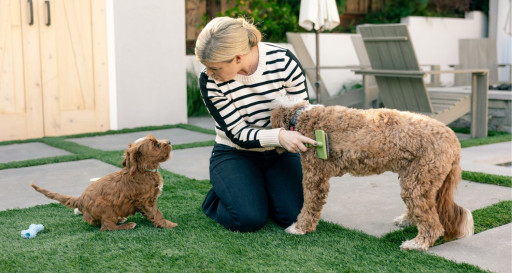
Struggling With Sibling Rivalry Between Your Dogs?
A Bark Busters trainer can help you identify triggers, address conflict between your dogs, and develop practical strategies to create a safer, more peaceful home.
What to Do If Your Dogs Fight
If your dogs are fighting, safety comes first. Knowing how to separate them safely, identify what triggered the conflict, and prevent future fights can help protect both dogs and your family. Once your dogs are safely separated, give them time to calm down before assessing what happened and taking steps to reduce the risk of another fight.
Separate Your Dogs Safely After a Fight
Safety comes first. Never put your hands between fighting dogs or attempt to physically grab a dog during an active fight, as you could be bitten. Once the dogs are safely separated, give them time to calm down before allowing further interaction.
Use doors, baby gates, crates, or other appropriate barriers to keep your dogs apart when necessary. If you cannot confidently manage your dogs together, avoid situations where another fight is likely.
Identify and Manage Triggers
Pay attention to where and when conflicts occur. Look for patterns involving food, toys, treats, resting areas, attention from family members, greetings, or other household activities. Even excitement or a dog's return home can trigger tension between dogs.
Once you identify potential triggers, manage those situations carefully. Feed your dogs separately when needed, control access to high-value items, and ensure each dog has appropriate access to food, water, resting areas, and other resources.
Provide Individual Training and Teach Focus
Individual training is an important part of preventing and resolving sibling rivalry. Train your dogs separately as well as together so each dog can develop focus and responsiveness without competing for your attention.
Teach your dogs to respond to basic commands and disengage from distractions, such as toys, people, sounds, or the other dog. Gradually practice these skills around increasing levels of distraction so your dogs learn to focus on you rather than react to everything happening around them.
Create Individual Resting Areas
Give each dog a designated place to relax without being disturbed by the other. Teaching each dog to go to their own bed on command provides structure and helps you create space between them when needed. Make sure each dog has opportunities to rest comfortably and access their own space.
Establish Consistent Rules and Routines
Dogs benefit from predictable expectations. Establish consistent rules for meals, play, attention, movement through the home, and resting. Be mindful of patterns that may encourage competition, such as pushing between dogs to demand attention.
You do not have to treat every dog exactly the same in every situation. Instead, teach each dog appropriate ways to earn attention and reinforce calm behavior. Clear, consistent expectations can help reduce confusion and competition within the household.
Provide Exercise and Mental Stimulation
Appropriate physical exercise, mental stimulation, and positive interaction with family members can help reduce frustration and improve focus. Incorporate training exercises, structured activities, and opportunities for each dog to use their mind throughout the day.
How to Stop Dogs From Fighting in the Same Household
There is no single solution for dog sibling rivalry because every multi-dog household is different. The first step is understanding what happens before the conflict. Once you identify the triggers, you can begin changing the environment, establishing clearer rules, improving communication, and teaching each dog how to respond to you.
Training should focus on more than simply stopping the fight. The goal is to change the patterns that are contributing to the conflict and give your family practical ways to manage the dogs safely.
If your dogs have already had serious fights, do not wait for the next one to happen. A professional dog trainer can evaluate the dogs in their home environment and help you develop a plan specific to your household.
How Bark Busters Helps With Dog Sibling Rivalry
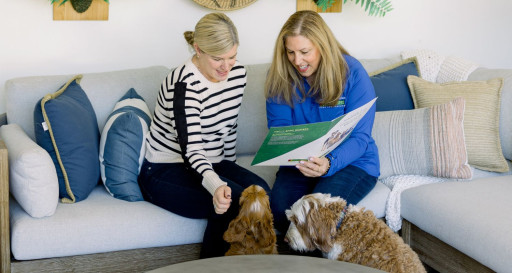
Sibling rivalry can be especially challenging because the dogs are sharing the same home and interacting throughout the day. Bark Busters trainers look at the entire household to understand what is contributing to the conflict.
During an in-home training session, a Bark Busters trainer can help you:
- Identify situations that trigger conflict between your dogs
- Understand how your dogs communicate with each other
- Recognize early signs of tension before they escalate
- Improve your ability to control each dog individually
- Establish clearer rules and boundaries at home
- Reduce competition around attention, food, toys, and other resources
- Teach your dogs to respond to you around distractions
- Create individual spaces and routines for each dog
- Develop practical strategies your entire family can consistently follow
Because the training takes place in your home, your Bark Busters trainer can work with you in the same environment where the problems are actually occurring. The goal is not simply to stop your dogs from fighting. It is to help your family understand what is causing the conflict and create a calmer, more cooperative relationship between the dogs.


Frequently Asked Questions About Sibling Rivalry in Dogs
Sibling rivalry can develop when dogs compete for resources such as food, toys, beds, or their owner's attention. Changes in household routines, stress, anxiety, age, maturity, or perceived favoritism can also contribute to tension. Identifying what happens immediately before a conflict can help you understand your dogs' triggers and address the underlying behavior.
Littermate syndrome can contribute to behavioral challenges between dogs raised together. When two puppies of the same age form a stronger bond with each other than with their owner, they may struggle with training, independence, and responding to their owner's guidance. In some cases, this can contribute to conflict or fighting as the dogs grow and mature. Individual training, clear household rules, and consistent guidance can help encourage healthier relationships between the dogs and their owner.
Signs of sibling rivalry include growling, snapping, stiff body language, staring, resource guarding, blocking access to people or spaces, and repeated fights. You may also notice one dog avoiding the other or tension developing around meals, toys, playtime, or attention. Occasional disagreements are not always a sign of sibling rivalry, but conflicts that become more frequent or intense may require professional help.
Safety comes first. Never put your hands between fighting dogs or attempt to grab them during an active fight. Once they are safely separated, keep them apart while they calm down and identify what may have triggered the conflict. Use barriers such as doors or baby gates when appropriate, manage access to food and toys, and avoid situations that could lead to another fight. If the fighting continues or escalates, consult a professional dog trainer for guidance.
You can help prevent sibling rivalry by establishing consistent household rules, providing individual training sessions, and giving each dog a designated resting area. Feeding dogs separately and carefully managing high-value toys or treats can reduce competition. Teaching each dog to focus on you, respond to commands, and disengage from distractions can also help reduce tension and improve their interactions.
Dogs that previously got along may begin fighting because of changes in their environment, household routines, or relationship as they mature. Conflict may also arise after one dog returns from a walk, grooming appointment, or veterinary visit, or when a new person or pet joins the household. Because pain or illness can cause sudden behavioral changes, consult your veterinarian if the fighting begins unexpectedly.
Yes. Professional dog training can help identify the triggers contributing to sibling rivalry and establish a plan to manage conflict safely. Training may include working with each dog individually, improving responsiveness to their owner, establishing consistent household rules, and teaching dogs to disengage from distractions. Bark Busters provides personalized in-home dog training to help families address behavior challenges in the environment where they occur and build better relationships between dogs in the same household.
Other Behavior Challenges That May Accompany Sibling Rivalry
Sibling rivalry in dogs can occur alongside other behavior challenges, including resource guarding, anxiety, and aggression. Explore these related training guides to learn more about common dog behavior issues and how Bark Busters can help improve harmony between dogs in the same household.
Digging
Jumping
Nipping & Biting
Leash Pulling
Get Help With Dog Sibling Rivalry
When dogs in the same household are fighting, you do not have to figure it out on your own.
Bark Busters provides personalized, in-home dog behavior training to help families understand the reasons behind their dogs' behavior and develop practical solutions for their specific household.
Confirm your ZIP code to find your local Bark Busters trainer and get started.
- 99.7% 4 or 5 stars 99.7% rate their experience with Bark Busters as 4 or 5 out of 5 stars.
- 99.6% Would Recommend 99.6% would recommend Bark Busters to their friends and neighbors.
- 99.5% Dog Responded 99.5% think their dog responded well to the training.