

Jumping Behavior in Dogs
What is Jumping Behavior in Dogs?
Bark Busters Home Dog Training's Guide to Jumping
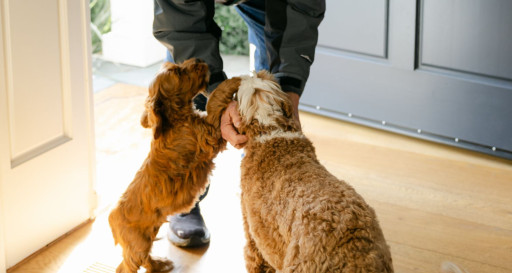
Your dog gets excited to see people and expresses that excitement by jumping up on them. While this may seem harmless when greeting family members, it can become a safety concern around young children, older adults, or anyone who may have difficulty keeping their balance. Jumping can also lead to scratches, damaged clothing, and uncomfortable greetings for guests.
The good news is that jumping is one of the most fixable behaviors we work on, because it comes down to a simple miscommunication. Jumping is often a learned behavior rooted in natural canine greeting instincts and a desire for attention. With clear communication, consistent expectations, and personalized training, dogs can learn to greet people calmly while keeping all four paws on the floor.
Understanding Jumping Behavior in Dogs
What Is Jumping Behavior in Dogs?
Jumping behavior occurs when a dog leaps up on people to greet them, seek attention, or express excitement. While it may seem harmless, jumping can be embarrassing, disruptive, and potentially dangerous, especially around young children, older adults, or people who may have difficulty maintaining their balance.
Dogs often jump because face-to-face greetings are natural in the canine world. When they jump on people, they may be trying to get closer to a person's face. The behavior can also become a learned habit when jumping consistently earns attention, whether through petting, eye contact, or verbal reactions.
Common Signs of Jumping Behavior in Dogs
Common signs of jumping behavior in dogs include:
- Jumping on family members when they arrive home
- Leaping on guests as they enter the house
- Jumping on strangers or passersby during walks
- Pawing at people or repeatedly jumping to reach their faces
- Jumping during excited play or social interactions
- Targeting certain people who respond with attention
- Continuing to jump despite verbal corrections or attempts to push the dog away
Normal Excitement vs. Problematic Jumping Behavior
Many dogs become excited when greeting familiar people or meeting someone new. Occasional excitement is normal, but jumping can become a concern when it is frequent, difficult to interrupt, or creates a risk of injury.
A behavior may require attention when your dog repeatedly jumps on people despite their attempts to move away, knocks someone off balance, scratches or injures someone, or jumps on children and people who may be vulnerable to falls.
Consider working with a professional dog trainer if jumping is becoming difficult to manage, occurs around strangers or vulnerable individuals, or is accompanied by other behavior concerns. Training can help your dog learn calmer ways to greet people and understand which behaviors are appropriate in different situations.
What Causes Jumping Behavior in Dogs?
Natural Greeting Instincts
Dogs naturally greet one another face-to-face. When a dog jumps on a person, they may be trying to get closer to the person's face and use familiar canine greeting behaviors in a human setting. Although this behavior is often driven by excitement and a desire to interact, dogs need to learn that keeping all four paws on the floor is a more appropriate way to greet people.
Attention-Seeking Behavior
Dogs often jump because they want attention, affection, or interaction. Even reactions intended to discourage jumping, such as scolding, pushing the dog away, or making eye contact, can reinforce the behavior by giving the dog the attention they seek. If jumping consistently produces a response, a dog may learn to repeat it, especially with people who react enthusiastically or unpredictably.
Excitement and Overstimulation
Some dogs have difficulty controlling their excitement when something enjoyable happens. Common triggers include:
- Their owner returning home
- Visitors arriving at the front door
- Meeting new people during walks
- Playing with family members or other people
When dogs become highly excited, they may jump before they have a chance to respond calmly. Practicing greetings in controlled, low-distraction settings can help them learn alternative behaviors.
Inconsistent Rules and Reinforcement
Jumping can become a persistent habit when people respond to it differently. For example, if a dog is allowed to jump on family members but discouraged from jumping on guests, the dog may struggle to understand which behavior is expected.
Consistency is essential. Everyone in the household should follow the same rules, reward calm greetings, and avoid giving attention when the dog jumps. This helps the dog understand that keeping all four paws on the floor is the reliable way to receive attention.
Fear or Anxiety
Although jumping is often associated with excitement, it can sometimes occur alongside fear, uncertainty, or other emotional responses. A dog that jumps while growling, snapping, or displaying other signs of distress may be reacting differently from a dog that simply wants to greet someone.
Pay attention to your dog's body language and the circumstances surrounding the behavior. If jumping appears fear-driven or occurs alongside other concerning behaviors, consider consulting a professional dog trainer who can help identify the underlying issue and develop an appropriate training approach.
Concerned About Your Dog's Jumping?
A Bark Busters trainer can help you understand why your dog jumps and teach calmer, safer ways to greet people through personalized, in-home training.
"Consistency matters here more than almost anywhere else. If your dog is allowed to jump on you in your pajamas but corrected for jumping on a guest in nice clothes, the message never gets through. The rule has to be the same for everybody, including you."
— Brandon Marks, Bark Busters Behavioral Therapist serving Southwest Orlando, Florida. 15+ years helping families resolve challenging dog behavior issues.
What to Do If Your Dog is Jumping
Get Everyone in the House on the Same Page
If one person allows jumping and another doesn't, your dog will keep testing which rule applies today. Every family member needs to respond the same way.
Practice Before the Doorbell Rings
Set up practice greetings when the house is calm and there are no real distractions. Your dog learns faster when they're not already keyed up.
Manage Greetings with Guests
Until your dog learns to greet people calmly, plan ahead when visitors arrive. Keep greetings controlled, ask guests to avoid giving attention when your dog jumps, and reward calm behavior instead. This helps prevent unwanted jumping while keeping greetings safer and more enjoyable for everyone.
Reward Four Paws on the Floor
Make a habit of greeting and praising your dog when they're standing or sitting calmly, not just correcting the jump. This teaches them what earns your attention.
Reach Out to a Professional Dog Trainer
A professional Bark Busters trainer can walk you through timing, consistency, and how to bring guests into the process safely and effectively.
How to Stop Jumping Behavior in Dogs
Stopping jumping behavior starts with understanding when and why your dog jumps, whether it's to greet people, seek attention, or express excitement. Consistent training can help your dog learn calmer ways to greet people by rewarding four paws on the floor, withholding attention when jumping begins, and practicing greetings in different situations. With clear communication and consistent responses from everyone in the household, your dog can learn more appropriate ways to interact with family members, guests, and strangers.
How Bark Busters Helps with Jumping
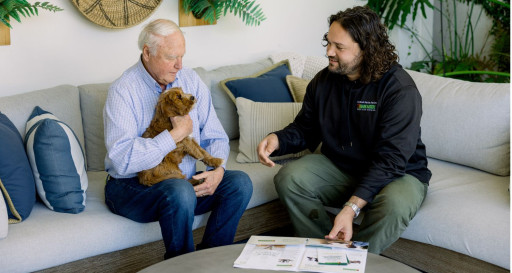
Our personalized, in-home training teaches your dog how to greet people calmly rather than simply correcting unwanted jumping. Because jumping often happens when guests arrive, we work with you in your home and practice with your everyday routines and visitors.
We never use aversive tools or physical corrections, such as kneeing a dog in the chest or using shock collars. These methods may interrupt jumping temporarily, but they don't teach your dog what to do instead and may create fear or confusion around greetings.
We teach you how to reinforce the behavior you want by rewarding your dog for keeping all four paws on the floor and withholding attention as soon as jumping begins. Consistent responses and good timing help your dog learn what earns attention. If you're struggling with your dog's jumping, contact your local Bark Busters trainer for personalized guidance and support.


Frequently Asked Questions About Jumping Behavior
Dogs are quick to notice who responds to jumping and who doesn’t. If certain people laugh, make eye contact, pet your dog, talk to them, or even push them away, your dog may learn that jumping is an effective way to get a reaction. From your dog’s perspective, all of these responses provide what they are seeking: attention.
Not really, and this is one of the most common reasons jumping training doesn't stick. A dog can't tell the difference between "acceptable" and "unacceptable" jumping targets. If jumping earns attention from you, expect your dog to try it on everyone.
Practice the greeting before guests arrive, in a calm, low-distraction setting. Reward your dog for keeping all four paws on the floor when the door opens, and be ready to correct the instant paws start to lift, not after they've already jumped. Over time, move the practice closer to real arrivals.
Occasionally. If jumping is paired with growling, snapping, or seems driven by fear rather than excitement, that's a different issue from a typical excited greeting. A Bark Busters trainer can help you tell the difference.
Many owners notice a meaningful improvement within a couple of weeks of consistent practice because dogs quickly learn from clear, consistent responses. Dogs with a long-standing jumping habit, or those living in homes where people respond differently, may need more time and repetition to develop a new behavior.
Other Behavior Challenges That May Accompany Jumping
Jumping on people can occur alongside other behavior challenges, including attention-seeking, excessive excitement, and difficulty managing impulses. Explore these related training guides to learn more about common dog behavior issues and how Bark Busters can help.
Get Help with Your Dog's Jumping
Jumping is one of the most common reasons dog owners contact Bark Busters. Your dog isn't trying to misbehave. They're using a greeting that works great with other dogs and just needs a new one for people. With the right timing and consistency, it's very fixable.
Quickly confirm your zip code and complete this short form, and we’ll contact you by email or phone within 24 hours to discuss your pet’s training.
