

Digging Behavior in Dogs
What Is Digging Behavior in Dogs?
Bark Busters Home Dog Training's Guide to Digging
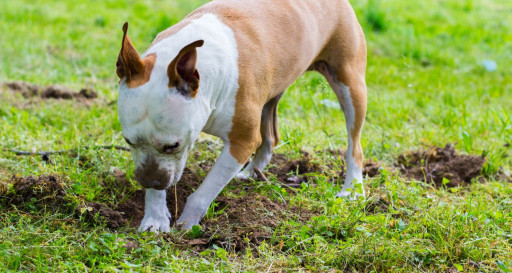
Dogs dig for many reasons. Some dig because of instinct, while others are looking for entertainment, chasing animals beneath the ground, trying to escape the heat, or responding to stress or boredom.
Although digging is a natural canine behavior, it can become frustrating when your dog turns the yard into a collection of holes.
The key to stopping unwanted digging is understanding why your dog is doing it. Once you identify the underlying cause, you can develop a plan that meets your dog's needs.
Understanding Digging Behavior in Dogs
What Is Digging Behavior in Dogs?
Digging is a natural canine behavior in which dogs use their paws and noses to move dirt and create holes. Some dogs dig because of instinct or breed tendencies, while others do it to relieve boredom, chase animals underground, find a cooler place to rest, or respond to stress.
Although occasional digging is normal, frequent or destructive digging can become frustrating for families, especially when dogs create holes along fence lines, damage gardens, or dig beneath decks and porches.
Understanding why your dog digs is the first step toward addressing the behavior and finding ways to meet your dog's needs.
Common Signs of Digging Behavior in Dogs
Common signs of digging behavior in dogs include:
- Digging holes throughout the yard or garden
- Digging along fence lines or beneath fences
- Digging near trees, plants, decks, or porches
- Digging in shaded areas or cool patches of soil
- Digging repeatedly when left alone outdoors
- Digging to chase moles, insects, or other animals underground
- Digging excessively when bored, restless, or stressed
Normal Dog Behavior vs. Problematic Digging
Many dogs dig occasionally as a natural way to explore their surroundings, follow their instincts, or find a comfortable place to rest. Some breeds are more naturally inclined to dig.
Digging may require attention when it becomes frequent, destructive, or difficult to interrupt. For example, repeated digging near fences may indicate an attempt to escape, while digging that occurs primarily when a dog is left alone may be associated with boredom or anxiety.
Working with a professional dog trainer if digging becomes persistent, damages your property, or occurs alongside other behavior concerns.
What Causes Digging Behavior in Dogs?
Dogs dig for a range of reasons, and figuring out which one applies to your dog is the first step.
Boredom: A Common Reason Dogs Dig
A dog left alone in the yard for long stretches with nothing to do will often make their own entertainment. Digging helps pass the time, burns off pent-up energy, and provides mental stimulation. High-energy breeds, young dogs, and puppies are especially likely to dig if they aren't getting enough daily exercise, training, or enrichment.
Separation Anxiety and Stress Can Cause Dogs to Dig
Dogs are social animals, and being left alone in a quiet house or yard can bring on real stress for some of them. Digging may become a coping mechanism that helps release nervous energy or frustration. If your dog shows other signs of separation anxiety, addressing the underlying anxiety is essential to stopping the digging behavior.
Dogs Dig to Chase Rodents and Follow Scents
A dog's nose and hearing are incredibly powerful. They can detect the scent and movement of moles, gophers, mice, insects, and other small animals hidden beneath the ground. Once they lock onto a scent or hear movement underground, their natural hunting instincts take over. Terriers, Dachshunds, Beagles, and other hunting breeds are especially likely to dig in pursuit of prey.
Dogs Dig Holes to Stay Cool in Hot Weather
The soil beneath the surface is significantly cooler than the air on hot days. Dogs without access to adequate shade, fresh water, or a cool indoor space may instinctively dig a shallow hole to lie in and regulate their body temperature. While this behavior is completely natural, it can also be a sign that your dog needs better protection from the heat.
Nutritional Deficiencies May Contribute to Dog Digging
In some cases, nutritional deficiencies or certain medical conditions may contribute to excessive digging. A dog that isn't receiving a balanced diet may instinctively search the ground for minerals or other nutrients. If your dog's digging is sudden, excessive, or accompanied by changes in appetite, weight, or energy levels, it's worth scheduling a veterinary exam to rule out an underlying medical problem.
Learned Dog Digging Behavior From People or Other Dogs
Dogs learn by observing both people and other dogs. A dog that watches their owner digging in the garden may decide to join in, while a puppy living with an older dog that digs may simply copy the behavior. Like many unwanted behaviors, the longer digging is practiced, the more rewarding and automatic it becomes unless owners consistently redirect the dog toward more appropriate activities.

Concerned About Your Dog's Digging?
A Bark Busters trainer can help you understand why your dog digs and develop practical strategies to reduce unwanted digging and encourage more appropriate behaviors.
"A dog with enough physical activity, mental engagement, and calm leadership from their owner has far less reason to dig their way through the yard."
— James & Michelle Rodriguez, Bark Busters Dog Behavioral Therapists and Master Trainers serving Charleston, South Carolina.
What to Do if Your Dog is Digging
Rule Out the Basics First
Check in with your veterinarian to confirm your dog's diet is complete and that there's no underlying health issue contributing to the digging.
Give Them More to Do
A tired dog is far less likely to dig. Regular walks, play sessions, and puzzle toys can go a long way toward keeping your dog occupied.
Set Up an Approved Digging Spot
If the instinct to dig is strong, giving your dog a designated area to dig and/or bury can satisfy the urge without sacrificing your whole yard.
Reach Out to a Professional Dog Trainer
A professional Bark Busters trainer can help you pinpoint the reason behind your dog's digging and build a plan.
How to Stop Digging in Dogs
There is no single solution for unwanted digging because dogs dig for different reasons, including instinct, boredom, stress, temperature, or the urge to chase animals. The first step is to identify when and where the digging occurs and what may be triggering it. Training can then help families address their dog’s underlying needs, adjust routines and environmental factors, and encourage more appropriate behaviors.
How Bark Busters Helps with Digging Behavior

Our in-home, personalized training looks at digging as a symptom, not just a habit to punish. Two dogs digging in the same yard can have completely different reasons behind it, so we start by identifying what's actually driving your dog's behavior.
We never use aversive tools. No shock mats, no yelling, no punishment after the fact. Dogs don't connect a correction to something they did an hour ago, so punishment after discovering the digging rarely changes anything and can add unnecessary stress.
We turn you into the trainer.
Once we know whether your dog is digging out of boredom, anxiety, instinct, or something else, we help you build a plan around it, whether that's more structured exercise, mental stimulation, a designated digging spot, or addressing separation anxiety directly.


Breeds Prone to Digging
Some dog breeds may be more inclined to dig because of their original working roles and natural instincts, but digging can occur in any dog. Breed tendencies, boredom, stress, and environmental factors can all influence this behavior.
- Terriers: Many terrier breeds were developed to hunt burrowing animals, making digging a natural instinct.
- Siberian Huskies: These dogs may dig to create cool resting spots or as an outlet for energy.
- Dachshunds: Originally bred to hunt animals in burrows, Dachshunds may be naturally inclined to dig.
- Beagles: Their strong scent-tracking instincts may encourage them to dig when they detect animals or interesting smells underground.
- Border Collies: Their high energy levels and need for mental stimulation may contribute to digging when their needs are not met.
- Other breeds: Mixed-breed dogs and breeds not typically associated with digging may also develop this behavior due to boredom, stress, curiosity, or learned habits.
If your dog digs frequently or causes damage to your yard, professional dog training can help identify potential triggers, address underlying needs, and develop practical strategies to reduce unwanted digging.
Frequently Asked Questions About Digging Behavior
It can be both. Certain breeds, including terriers, Dachshunds, and other dogs bred for hunting or pest control, have a natural instinct to dig because it is part of their genetic makeup.
However, breed alone doesn't explain every digging habit. Even dogs with a strong digging instinct may dig excessively due to boredom, anxiety, an attempt to escape discomfort, or an unmet need for stimulation. A Bark Busters trainer can help you determine what is driving your dog's behavior and create a plan to address the underlying cause.
No. Dogs don't understand that a correction after the fact is connected to something they did earlier. Punishing your dog after discovering a hole usually creates confusion or stress without teaching them what behavior you want instead.
Yes, and for some dogs this approach works well. Creating an approved digging area and hiding toys or treats there can give your dog an appropriate outlet for their natural digging instinct without requiring them to stop digging altogether.
It depends on the cause. Boredom-driven digging often improves within a couple of weeks once a dog gets more exercise and mental stimulation. Digging tied to anxiety or a health issue may take longer and require professional guidance to address the root cause.
Other Behavior Challenges That May Accompany Digging
Digging can occur alongside other behavior challenges, such as boredom, excessive energy, anxiety, or destructive behavior. Explore these related training guides to learn more about common dog behavior issues and how Bark Busters can help.
Get Help with Your Dog's Digging Behavior
Digging is a common reason dog owners contact Bark Busters. Your dog isn't digging to spite you. There's almost always a reason behind it, and once you understand that reason, it becomes much easier to address.
Confirm your ZIP code and complete a short form to get started. We'll contact you within 24 hours to discuss a personalized in-home training plan for your dog.
