

Puppy Training
Bringing home a puppy is exciting, but those first few weeks can also be overwhelming. Potty accidents, nipping, chewing, barking, jumping and sleepless nights can leave new puppy parents wondering if they're doing everything right.
Bark Busters provides personalized, in-home puppy training to help you start good habits early and prevent common behavior problems from becoming bigger challenges later.
From potty training and crate training to leash manners, socialization and basic obedience, your Bark Busters trainer will show you what to do and help you build a strong foundation for life with your puppy.
Build a Strong Foundation with Puppy Training
Puppies need guidance to develop good manners and a well-balanced temperament. Just like infants and toddlers, they are constantly learning from their environment. That’s where you come in!
While much of a puppy’s early socialization happens with their mothers and litter-mates in the first 8-12 weeks, you play a crucial role in reinforcing proper behavior and setting the foundation for lifelong obedience.


Is Puppy Training Right for Me?
Why Start Puppy Training Early?
Puppies are learning from the moment they come home. The habits they develop during the first weeks and months can influence how they behave as they grow.
Puppy training isn't just about teaching commands. It's about helping your puppy learn how to behave in your home, respond to guidance, experience new situations and become a confident member of your family.
Starting early gives you the opportunity to establish good habits before unwanted behaviors become difficult to manage.
Puppy Training is About More Than Obedience
Puppy training can help whether you're bringing home your first puppy or adding another dog to your family. Bark Busters can help if you're:
- Bringing home a puppy for the first time
- Struggling with potty training
- Dealing with biting or nipping
- Exhausted by nighttime or crate problems
- Worried about jumping or barking
- Unsure how to socialize your puppy
- Having trouble with leash walking
- Wanting to prevent behavior problems before they start
- Looking for guidance on raising a confident, well-behaved dog
You don't need to wait for a problem. Puppy training can help you get ahead of one.
What Your Puppy Can Learn
- Potty Training: Establish a consistent routine and help your puppy learn where and when to go.
- Crate Training: Help your puppy see the crate as a safe, comfortable place while building healthy independence.
- Leash Manners: Teach your puppy how to walk with you without constant pulling or distraction.
- Coming When Called: Build a reliable recall and teach your puppy to pay attention to you even when something else is more interesting.
- Calm Greetings: Help prevent jumping, nipping and overexcitement when your puppy meets people.
- Socialization: Teach your puppy how to calmly experience new people, dogs, environments and everyday situations.
- Basic Obedience: Build foundational skills such as sit, stay, down and other behaviors that make everyday life easier.
Why Choose Bark Busters for Puppy Training?
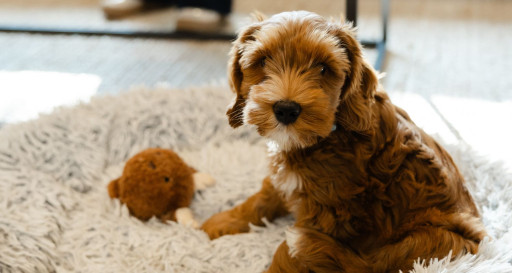
Personalized Puppy Training at Home
Puppies are learning from the moment they come home. Bark Busters trainers come to your home to help you establish good habits and teach your puppy how to behave in everyday situations.
Build Good Habits Early
Early puppy training helps establish good manners before unwanted behaviors become harder to manage. Your trainer can help with potty training, crate training, leash manners, socialization, recall and basic obedience.
Training for Your Puppy and Your Family
Puppy training is about more than teaching commands. Your trainer shows you how to communicate with your puppy and provide consistent guidance, so you can continue building good behavior every day.
Personalized, One-on-One Puppy Training
Every puppy is different. Your Bark Busters trainer tailors training to your puppy's personality, needs and your family's goals, providing practical guidance you can use at home and beyond.
Ready to Get Your Puppy Off to a Great Start?
Find a Bark Busters Puppy Trainer Near You!
Bark Busters provides personalized, in-home puppy training to help you establish good habits from the start. Whether you're looking for puppy training near you or private puppy training sessions, our tailored approach can help with common challenges like nipping, chewing, barking, jumping, potty training, and more.
Puppy training can begin just days after your puppy settles into their new home. Because young puppies tire quickly, some training may be explained rather than demonstrated during the first session.
Ready to get started? Simply fill out the form, and a Bark Busters professional will be in touch to learn more about your puppy and help you take the next step.
Hear What Dog Owners Say About Puppy Training with Bark Busters
Puppy Training Tips & Advice
Raising a puppy comes with plenty of questions. Get practical guidance to help your puppy build good habits and grow into a confident, well-behaved dog.
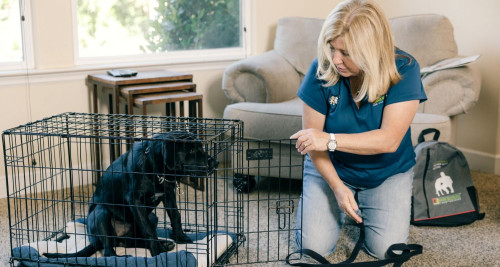
Crate Training Your Puppy
Crate training gives your dog a safe, secure space while supporting house training and daily routine. When introduced properly, it becomes a place of comfort, not confinement. Bark Busters helps you build positive associations and structure so your dog feels relaxed and confident.

Raising a Puppy: How to Set Realistic Expectations

How to Potty Train A Puppy (Fast, Kind, and Consistent)

General Puppy Tips

Bringing Home a Puppy: Your Guide to a Smooth Start
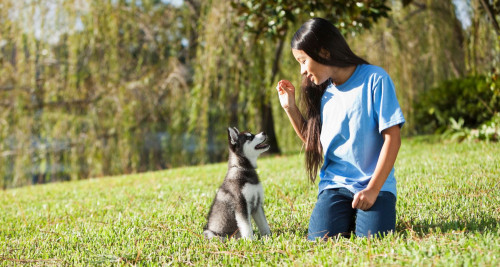
Thinking of Getting a Puppy? Here's What You Should Know First
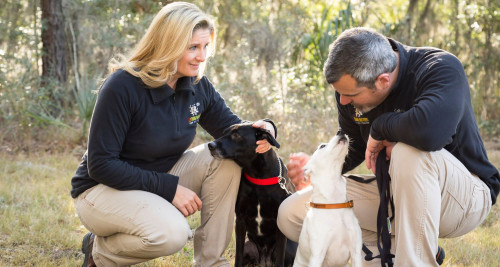
Tips for Every Dog - Why Training?

How to Choose the Right Breed: A Smart Start to Dog Ownership
Every puppy needs high-quality food, separate food and water bowls, a secure place to sleep with comfortable bedding, a well-made collar and leash, and a few toys.
Each of these items helps keep your puppy safe, comfortable, and assists with their adjustment to their new home.
Start by providing your puppy the same food they are used to and make any switches slowly – an abrupt change to different foods can cause an upset stomach. For play and teething, a puzzle-type toy is ideal. Avoid buying dozens of toys and treats, however, as too many toys confuse a puppy about what they should and should not chew.
Familiar scents, such as a soft blanket rubbed against the mother and littermates, can help make separation less traumatic.
Most importantly, give your puppy lots of love and human company!
Your puppy is curious, and their mouth is an exploratory tool. Chewing is a natural function of your dog's development, a source of stress release, and if effectively managed, can be a way to prevent the onsite of destructive behaviors, including separation anxiety. Puppies do not necessarily mean to be aggressive when they nip, bite or chew.
If your puppy tries to bite your hand, stop moving them. If they try to bite your leg, stand still.
When your pup does make a mistake, do not use treats as bribes to stop undesirable behavior – instead, use a firm voice or sound to express your displeasure. If necessary, clap your hands for emphasis.
Use Bitter Apple spray on your hands, clothing, and other items – its unpleasant taste can deter biting.
Guide your puppy to appropriate alternatives, such as giving them a favorite chew toy.
We recommend providing appropriately sized chew toys and introducing these safe chews while your dog is in a crate or "place." Introducing chew toys in this way will help create positive associations and also allow you to observe their behavior with new toy to ensure its safety.
When using your hands in training, make sure your puppy always associates them with gentleness and enjoyment.
Your puppy is naturally a den animal – a crate is a peaceful haven where your pup can feel secure.
Crates allow you to relax or complete tasks that are difficult while watching your puppy. They also help with training by limiting your puppy’s mistakes to times when you are present and prepared to teach.
Dogs naturally avoid soiling their dens, so a crate is a great tool for potty training. Ensure the crate is only large enough for your puppy to stand up and turn around – any larger and they may soil a corner where they do not sleep. Built-in dividers can help, if needed.
Keep the crate near you as much as possible so your puppy doesn’t feel removed from the rest of the family.
A crate should never be used as punishment!
Be proactive! Your puppy has not yet developed the awareness or physical capability to control their bodily functions like an adult dog and needs plentiful opportunities to relieve himself.
As a guideline, puppies can hold their bladders for the number of hours equal to their age in months plus one. For example, a two-month-old puppy can last about three hours.
Confine your puppy to a specific room or smaller area of the house by closing doors and using baby gates (and/or a crate) while they are learning. Be sure to take your puppy out at regular intervals, as well as these six critical times:
- After waking up
- Before going to bed for the night
- After eating or drinking
- After/during excitement or exuberant play
- If frightened or nervous
- After the family arrives home
Remain in the designated potty area until your puppy is finished, then reward them with lots of excited praise.
Have patience! A common mistake is to return inside too soon, only to experience an unexpected mess.
The best method is to help your puppy avoid mistakes.
If you do catch them in the act, quickly take them to the designated potty area and praise them as they continue to potty. If you find a mess after the fact, all you can do is clean it up.
Accidents are part of toilet training, but good management reduces how often they occur. Treat each accident as feedback—your puppy needed a break sooner than expected.
Clean the spot thoroughly so the scent doesn’t draw them back, and reset your routine with more timely trips outside.
Do not “correct” your puppy for soiling, as puppies may become scared of being grabbed or learn to hide and toilet. Never become physical or hit your puppy. Your hands are for praise only.
When new dog owners ask, “How do I socialize my puppy?”, the answers they find often focus on playdates, dog parks, or meeting every dog on the block. But at Bark Busters, we take a different approach: Our recommendation is rooted in calm, controlled exposure, not overstimulation or forced interaction.
True socialization isn’t about letting your puppy interact with everyone! Socialization means safely and slowly exposing your puppy to new experiences and environments. For example, new sights, smells, terrain, and people and dogs, as appropriate for their temperament.
Help your puppy to:
- Stay calm and focused around new people, dogs, and distractions
- Observe without reacting
- Feel secure in unfamiliar environments
- Look to you for guidance and reassurance
The most vital period of a puppy’s development is between 8-16 weeks, which is an ideal time for education and socialization.
What to Avoid During Puppy Socialization
Just as important as knowing how to socialize your puppy is knowing what not to do. Common mistakes can lead to fear, reactivity, or unwanted behaviors.
Avoid:
- Dog parks – Too much stimulation, too little control
- Leash greetings – Can lead to pulling, frustration, or aggression
- Overwhelming environments too early – This creates fear, not confidence
- Letting fear “work itself out” – Without guidance, fear can turn into long-term anxiety
At Bark Busters, we teach you how to read your puppy’s body language, respond calmly, and build trust at every step.
Take things slow and expose your puppy carefully to new situations. When in doubt, ask your veterinarian or your local Bark Busters trainer for advice on proper socialization.
Puppies need lots of love, play, and rest.
Most of all, puppies need sleep! In fact, they need 18-20 hours of sleep over a 24-hour period when they are young.
Each puppy is different, so let your puppy tell you when they’re tired. Do not take a young puppy jogging or force them to play – these activities can cause overexertion or injury.
Group and individual lessons serve different needs, but any type of professional training can help dog owners who are looking for personalized, trouble-free, and effective solutions for their puppy's issues. It can also help you and your puppy understand each other better, making both your lives more enjoyable.
Your puppy will provide new and different challenges as they get older. Combining puppy school with one-on-one lessons can address them with more complete and in-depth training.
If you decide to enroll your puppy in group classes, ensure that all dogs have been vaccinated to prevent exposure to disease. and that your puppy is grouped with dogs of equal size or similar personality types, so that the experience doesn’t frighten your inexperienced puppy.
Bark Busters offers professional home dog training, and, in some areas, puppy classes. Our natural training methods work with puppies as young as eight weeks.
Start Your Puppy Off On The Right Paw & Find Your Local Trainer Today!
CALL TODAY 1-877-500-BARK (2275)