

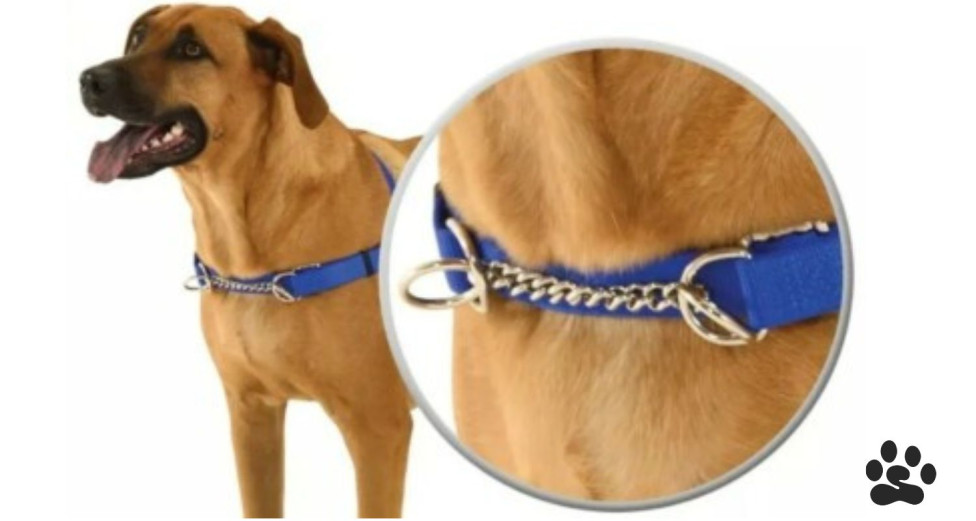
The Bark Busters WaggWalker® harness is the best training harness for owners who want more than physical control—it combines front and back attachment points, adjustability, and a distinctive chain that creates an audible sound to help capture your dog’s attention. Used correctly alongside calm communication and leadership, it can make leash training clearer and more effective without relying on harsh corrections or constant food rewards.
Key takeaways:
- Use both front and back attachment options to give you flexibility as your dog progresses.
- The adjustable design helps create a more comfortable, controlled fit for different dogs.
- The built-in chain sound provides an additional communication signal your dog can hear.
- Practice indoors first so your dog learns to respond before facing Mid-Peninsula distractions.
Reclaim Control Before You Leave the House
The best training harness isn't simply the one that prevents a dog from pulling. A useful training harness should help dog and owner communicate clearly while supporting the behavior you're trying to teach. That is why the Bark Busters WaggWalker® harness stands out for leash training in Pacifica and throughout San Mateo County.
It has both front and back attachment points, giving your trainer flexibility to determine which configuration best supports your dog's individual needs. It is also adjustable, allowing the fit to be tailored rather than treating every dog's body as though it were the same.
Most importantly, the Bark Busters WaggWalker® harness incorporates a chain that creates a distinctive sound. That sound can become another way for your dog to hear and recognize your communication, rather than depending entirely on leash pressure or treats.
The harness is a training aid—not a substitute for training.
Bark Busters' local approach focuses on tone of voice, body language, timing, and calm leadership so the dog learns what you are asking, rather than simply being physically managed.
Fit the Harness Before You Test It Outside
Before walking around Pacifica, take a few minutes at home.
Check the fit. The harness should be secure without being excessively tight. An adjustable harness is particularly valuable because you can make small changes as necessary instead of accepting a poor fit.
Watch your dog's response. If your dog freezes, scratches excessively at the harness, repeatedly tries to escape it, or seems uncomfortable, stop and reassess the fit.
Keep your energy calm. Don't turn putting on the harness into a wrestling match. Slow movements and clear expectations help your dog understand that the equipment is simply part of the routine.
Walk around the house. Take a few steps. Stop. Change direction. Pause near a doorway. Allow your dog to experience the harness while the environment is still quiet. The objective isn't to exhaust your dog. It is to establish communication before distraction.
Practice This Three-Step Living Room Drill
You can start building leash manners today without even leaving your home.
- Walk and stop. Move calmly across the living room. When you stop, wait for your dog to recognize that your movement has stopped. Avoid repeatedly pulling the leash to get a response.
- Change direction. Turn and walk in another direction. Use your voice, body position, and timing to encourage your dog to notice where you are going.
- Introduce the chain sound appropriately. When using the Bark Busters WaggWalker® harness, the distinctive chain sound can become an additional communication cue. Your goal is not to frighten or punish your dog with the sound. Instead, pair clear communication and calm movement so your dog learns to pay attention when that sound occurs.
Repeat the sequence for just a few minutes. Short, successful practice is more valuable than a long session that leaves everyone frustrated.
Take the Harness to a Pacifica Sidewalk
Once your dog responds reasonably well inside, introduce increasingly difficult environments.
Don't jump immediately from a quiet living room to the busiest sidewalk you can find. Start with a relatively calm area near your home in Pacifica. Walk for a short distance, then return home before your dog becomes overwhelmed.
As your dog improves, gradually introduce more distractions. A dog that walks beautifully inside may pull when it sees another dog, a squirrel, a skateboard, or a person approaching. That's normal: the environment has changed, so your communication needs to become clearer—not harsher.
The same principle applies across the Mid-Peninsula, whether you're walking residential streets in San Carlos or dealing with a more stimulating neighborhood environment. The harness gives you a useful communication platform, but your timing and leadership are what teach the behavior.
Don't Use the Harness as a Substitute for Leadership
One common mistake is expecting equipment to solve a behavioral problem by itself. A harness can improve your ability to manage a dog, but it doesn't automatically teach a dog how to make good choices.
If your dog launches toward every passing dog, drags you down the sidewalk, or becomes frantic when another person approaches, ask what happens before the pulling begins. Does your dog become stiff? Does the head suddenly turn toward the distraction? Does the pace increase? Does the leash gradually tighten? Those early changes matter.
Intervening when your dog is still capable of listening is generally much easier than waiting until your dog is already pulling, barking, or lunging. That is where natural communication and calm leadership become essential.
Bark Busters' San Mateo County approach is specifically designed to work with dogs in the environment where their behavior actually occurs, rather than relying solely on controlled classroom exercises.
Make the Harness Part of a Bigger Training Plan
Think of the Bark Busters WaggWalker® harness as one component of a communication system. Your voice provides information. Your body language provides information. Your timing tells your dog when to pay attention. The harness gives you practical control and, with its chain sound, provides another audible signal your dog can recognize.
Together, those elements can create much clearer communication than simply holding a leash and hoping your dog figures out what you want. And because every dog has different physical structure, temperament, history, and triggers, the ideal harness setup should be individualized.
Frequently Asked Questions
What makes the Bark Busters WaggWalker® harness the best training harness for leash pulling?
The Bark Busters harness combines front and back attachment options, an adjustable fit, and a distinctive chain that creates an audible communication signal. The goal is to give the owner more flexibility while teaching the dog to respond to clear, calm communication.
Is a training harness enough to stop my dog from pulling?
No. A harness can make training and management easier, but lasting leash manners come from teaching the dog how to respond to your communication. Practice calm leadership indoors first, then gradually introduce real-world distractions.
Can I use the Bark Busters WaggWalker® harness when walking my dog in Pacifica?
Yes, the harness can be incorporated into a broader leash-training plan for Pacifica and surrounding San Mateo County communities. The key is to introduce distractions gradually and use the equipment as part of communication—not as a replacement for training.
Take Control of Your Home's Energy Today
The best training harness is ultimately the one that helps you communicate more clearly with your individual dog. The Bark Busters WaggWalker® harness gives you front and back attachment options, an adjustable fit, and a distinctive audible chain signal while your training focuses on calm leadership and natural canine communication.
Bark Busters San Mateo County brings that training directly into your home, where your dog's everyday behaviors begin. The local team also offers the Life of Dog Support Guarantee, which provides ongoing support for eligible Gold Service clients when new or recurring behavior challenges arise.
Start by taking the free Dog Behavior Quiz to better understand your dog's behavior. Then, when you're ready to build calmer communication at home and on your Pacifica walks, schedule an in-home training session with our local San Mateo team.
Call (650) 249-1631 to speak directly with the local team and take the first step toward more confident, peaceful walks.