

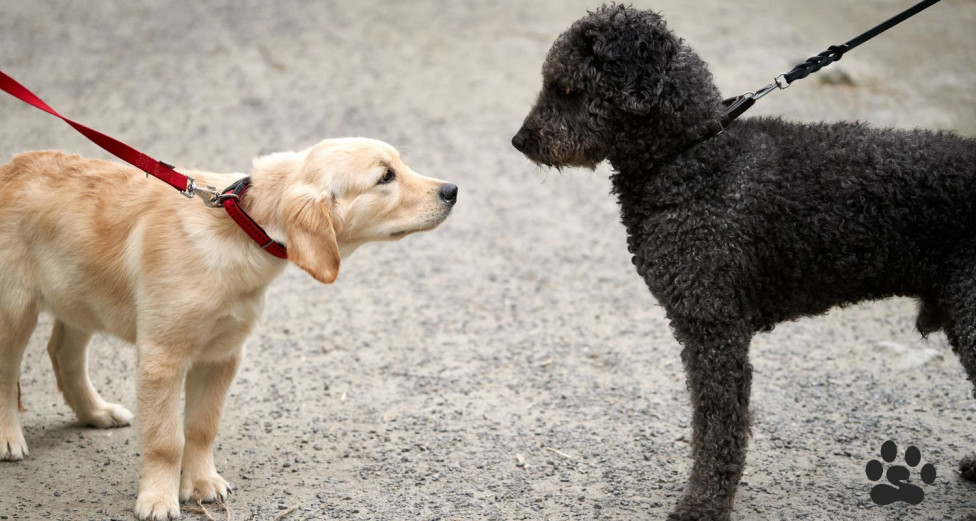
Early puppy socialization is not about overwhelming your dog with endless dog park free-for-alls, but rather building calm confidence, emotional neutrality, and trust in your leadership before the crucial 16-week developmental window closes. By teaching your puppy how to observe the world calmly—from quiet living rooms to busy San Carlos sidewalks—you set the foundation for a life free of fear-based reactivity and anxiety.
- Neutrality Over Interaction: True socialization teaches your puppy to remain focused on you in new environments rather than greeting every person and dog.
- The Critical Window: The developmental period between 8 and 16 weeks shapes how your dog perceives safety and threats for the rest of their life.
- Leadership Drives Confidence: Puppies look to their pack leader for cues; when you project calm control, your puppy feels secure enough to explore peacefully.
- Quality Beats Quantity: Controlled, positive exposures from a distance build resilience far faster than chaotic, high-stress dog park interactions.
Myth: Socialization Means Letting Your Puppy Meet Every Dog and Person
Reality: Flooding your puppy with constant greetings creates overstimulation, frustration, and eventual leash reactivity.
When new owners bring a puppy home to San Carlos, the instinct is often to introduce them to everyone on Laurel Avenue or let them play with every dog passing by. However, forcing or encouraging constant interaction teaches your puppy two harmful habits: that every dog is a potential playmate, and that you are not the focal point of their environment.
When a puppy expects to greet every dog, they quickly build hyper-arousal. As they grow older and are restrained by a leash, that excitement turns into intense frustration, which often presents as barking, lunging, and apparent aggression on Mid-Peninsula walks.
Real socialization is about building emotional neutrality. You want your puppy to observe a bustling environment, notice a passing dog or a zooming skateboard, and look back at you with total calm.
Myth: Dog Parks Are the Best Place for Early Socialization
Reality: Uncontrolled, off-leash environments are a breeding ground for bad habits, fear-based trauma, and defensive behavior.
Bringing an impressionable 12-week-old puppy into a hectic off-leash park is one of the quickest ways to create fear-based issues. Puppies process traumatic or overwhelming events rapidly, and a single instance of being pinned, rushed, or barked down by an unruly adult dog can instill a lifelong fear of other canines. In an open park, you lose complete control over the dynamic. You cannot predict the temperament of other dogs or the awareness of their owners.
Instead of exposing your pup to unpredictable chaos, focus on controlled environments where you dictate the distance and intensity of every exposure. Observing calm dogs from a comfortable distance while relaxing at Burton Park in San Carlos builds genuine resilience without subjecting your puppy to intimidation.
Myth: High-Value Treats and Bribes Are Necessary to Build Confidence
Reality: Relying on food rewards distraction masks underlying anxiety instead of solving it and often bribing can reward fearful mindsets.
When a puppy encounters something intimidating—a loud delivery truck on a San Mateo street or a rustling trash can in Redwood City—luring them forward with a piece of chicken does not actually teach them to feel safe. In fact, coaxing a fearful puppy toward a perceived threat with food creates internal conflict, forcing them to choose between their safety instinct and their appetite. Furthermore, feeding a dog while they are tense, cowering, or hyper-vigilant rewards and reinforces that nervous state of mind. Your puppy interprets the reward as confirmation that their fear was justified.
True confidence comes from clear communication, authentic leadership, and supportive body language. When your puppy realizes you have full control over the environment, they do not need a food bribe to feel secure; they look to your calm energy as their shelter.
Reading Your Puppy's Subtle Body Language Signals
Building confidence requires you to advocate for your puppy before they reach a total panic state. Canines communicate subtle discomfort long before they resort to whining, barking, or backing away. When practicing early exposure around Burlingame or Foster City neighborhoods, keep a close watch for these early indicators of stress:
- The Lip Lick and Yawn: A quick flick of the tongue over the nose or a sudden yawn in a non-tired context is an early stress displacement signal.
- The Slow Freeze: Stopping in their tracks, lowering their center of gravity, or stiffening their posture indicates your pup is overwhelmed and processing a perceived threat.
- Whites of the Eyes: Known as "whale eye," seeing the white crescents of your puppy's eyes means they are experiencing heightened tension and looking for an exit.
- Tail Tucked or Stiff: A low, tucked tail signals uncertainty, while a high, rigid, fast-twitching tail signals high arousal—not necessarily happiness.
When you spot these signs, do not coddle, panic, or force your puppy forward. Simply create distance between your puppy and the trigger until their muscles soften and their attention turns back to you.
How to Practice Structured Exposure Around San Carlos
Effective socialization happens in the everyday moments of your routine across San Mateo County. You do not need grand adventures; you need short, intentional practice sessions that reinforce your role as the pack leader.
Start inside your home before transitioning to the outside world. Practice door manners, calm greetings, and leash focus in your living room where distractions are minimal. Once your puppy is consistently focused on you indoors, move to low-stress outdoor settings.
Position yourself on a quiet bench near downtown San Carlos or along a serene Foster City walkway during off-peak hours. Allow your puppy to sit quietly by your side while watching the world go by.
Reward them not with food, but with soft, low-toned verbal praise and your own relaxed posture whenever they dismiss a passing distraction and check in with you.
Frequently Asked Questions
When should I start socializing my new puppy in San Carlos?
Socialization begins the moment you bring your puppy home, ideally between 8 and 16 weeks of age. While you should follow your veterinarian's guidance on vaccinations before visiting high-dog-traffic areas, you can begin home-based leadership and controlled, distance-based outdoor observations immediately.
What should I do if my puppy freezes or refuses to walk on the sidewalk?
Never drag or force a puppy forward when they freeze, as this validates their panic and breaks their trust in you. Instead, pause, remain completely calm, reduce the pressure on the leash, and give them time to process the environment before encouraging them forward with a confident, light tone.
How do I stop well-meaning neighbors from rushing up to pet my puppy?
You must step up as your puppy's protector and advocate by politely holding up a hand and asking neighbors to give your puppy space. Inform them that your puppy is currently in training to learn calm focus, and only allow calm interactions once your puppy is relaxed and sitting quietly by your side.
Raise a Confident, Well-Mannered Puppy—Naturally
Transforming your puppy into a confident, well-mannered companion does not require harsh corrections, physical tools, or endless pockets full of treats. It simply requires understanding how dogs communicate and establishing yourself as a calm, trustworthy leader from day one.
When you master natural canine communication inside your home, the outside world becomes a peaceful, enjoyable place for both you and your dog. Take the first step toward a balanced relationship by taking our free Dog Behavior Quiz to evaluate your dog's current mindset and needs.
If you are ready to set your puppy up for a lifetime of success across San Mateo County and the Mid-Peninsula, schedule an in-home training session with our local San Mateo team.
Our proven, natural methods and Life of Dog Support Guarantee ensure you have expert guidance every step of the way. Call 1-877-500-BARK (2275) today to speak directly with our local team and start your puppy off on the right paw.